
15% Seatbelt Penalty: How Madison Lawyers Fight Recovery Reductions
When Your Seatbelt Choice Affects Your Car Accident Compensation
You can still file a personal injury lawsuit against an at-fault driver even if you weren’t wearing a seatbelt at the time of the accident. The seatbelt issue affects the amount of compensation, not your right to make a claim. If you’ve been injured in a crash without wearing your seatbelt, you might be worried about whether you can still recover damages for your injuries. The good news is that Wisconsin law protects accident victims by limiting how much your compensation can be reduced for not wearing a seatbelt. Working with a Motor Vehicle Accident Attorney who understands Wisconsin’s unique 15% cap on seatbelt-related damage reductions can make a significant difference in your recovery amount.
💡 Pro Tip: Document all your injuries and medical treatment immediately after an accident, regardless of seatbelt use. This evidence helps establish that your injuries resulted from the other driver’s negligence, not just from being unrestrained.
Ready to turn the tide in your favor after an accident? Let Kent | Pincin guide you through the complexities of Wisconsin’s seatbelt laws, ensuring the 15% penalty doesn’t overshadow your rightful compensation. Reach out to us today at 608.999.4954 or contact us to turn your challenges into opportunities.
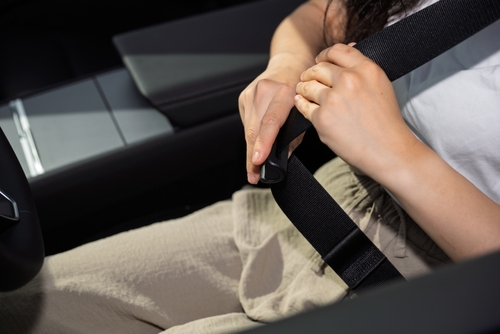
Understanding Wisconsin’s Seatbelt Defense Laws and Your Rights
In Wisconsin, an at-fault driver is entitled to assert the seatbelt defense, but it can only be used to reduce the plaintiff’s damages award by 15%. This crucial protection under Motor Vehicle Accident Law means that even if you weren’t wearing your seatbelt, the maximum reduction to your compensation is capped. The seatbelt defense refers to the insurance company’s or defendant’s use of evidence regarding your failure to wear a seatbelt in connection with the underlying accident. The theory behind this defense is that while you may not have caused the accident itself, your failure to wear a seatbelt contributed to the severity of your injuries. However, Wisconsin recognizes that the person who caused the crash should still bear primary responsibility for the damages.
Not all states allow use of the seatbelt defense. In states where it is permitted, the legal concept of "comparative fault" applies, which means the amount you can recover for your injuries is reduced by a percentage that reflects your degree of fault for failing to wear a seatbelt. Wisconsin follows a modified comparative negligence system, where an injured person’s recovery is barred entirely if they were at least 51 percent to blame. Fortunately, with the 15% cap on seatbelt-related reductions, you’ll never reach that threshold based solely on not wearing a seatbelt.
💡 Pro Tip: Even though Wisconsin caps the seatbelt penalty at 15%, insurance companies may still try to argue for greater reductions based on other factors. Keep detailed records of the accident circumstances to counter any additional fault claims.
The Step-by-Step Process of Fighting Seatbelt Defense Claims
When facing seatbelt violations and car accident claims in Wisconsin, understanding the timeline and process helps you protect your rights. Most states require that the at-fault driver prove a causal connection between your non-use of an available seatbelt and the injuries you suffered. This means the defense must demonstrate that your specific injuries would have been prevented or lessened by wearing a seatbelt. Here’s what typically happens when the seatbelt defense is raised:
- Initial claim filing: You submit your injury claim regardless of seatbelt use, as it doesn’t bar your right to compensation
- Defense investigation: The at-fault party’s insurance company reviews evidence of seatbelt use and may request accident reconstruction
- Medical causation analysis: Your Motor Vehicle Accident Attorney works with medical professionals to establish which injuries resulted from the impact itself versus any seatbelt non-use
- Negotiation phase: Your lawyer counters any attempts to exceed Wisconsin’s 15% reduction cap with evidence and legal precedent
- Settlement or trial: If necessary, your case proceeds with the jury instructed on Wisconsin’s specific seatbelt defense limitations
💡 Pro Tip: Most Wisconsin personal injury lawsuits must be filed within three years from the date the cause of action accrues; wrongful-death claims arising from motor-vehicle accidents have a two-year filing deadline. Failure to wear a seatbelt does not change these filing deadlines. Don’t let concerns about seatbelt use delay your claim – the 15% cap protects you regardless.
How a Motor Vehicle Accident Attorney Maximizes Your Recovery Despite Seatbelt Non-Use
Successfully challenging the seatbelt defense requires demonstrating that your specific injuries would have occurred regardless of seatbelt use. An experienced attorney knows how to present medical evidence showing that the force and nature of the collision caused injuries that a seatbelt wouldn’t have prevented. Kent | Pincin attorneys understand Wisconsin’s comparative fault laws and work to minimize any reduction in your compensation by focusing on the other driver’s negligent behaviors, which may include driving under the influence, speeding, texting behind the wheel, or disregarding traffic signs.
The key to maximizing recovery lies in proving that the at-fault driver’s actions were the primary cause of your injuries. While Wisconsin allows the seatbelt defense, limiting it to 15% means that 85% of your damages remain recoverable even in worst-case scenarios. Your legal team can challenge attempts to attribute more injuries to seatbelt non-use by working with accident reconstruction professionals and medical providers who can testify about injury causation. This comprehensive approach ensures you receive fair compensation for medical bills, lost wages, pain and suffering, and other damages resulting from someone else’s negligence.
💡 Pro Tip: Gather witness statements about the severity of the impact and the other driver’s behavior before the crash. This evidence helps shift focus to the true cause of the accident rather than secondary factors like seatbelt use.
Common Misconceptions About Seatbelt Use and Accident Claims
Many accident victims mistakenly believe they cannot pursue compensation if they weren’t wearing a seatbelt, but Wisconsin law specifically protects your right to seek damages. The 15% cap represents a balanced approach that encourages seatbelt use while recognizing that the person who caused the crash bears primary responsibility. Some insurance adjusters may try to convince you that your claim is worthless due to seatbelt non-use, but this is simply not true under Wisconsin law. Understanding these misconceptions helps you stand firm in pursuing the compensation you deserve.
Insurance Company Tactics and How to Counter Them
Insurance companies often emphasize seatbelt non-use to distract from their client’s liability. They may request detailed medical records hoping to find pre-existing conditions or argue that all injuries resulted from being unrestrained. Your Motor Vehicle Accident Attorney can counter these tactics by focusing on the actual cause of the crash and the 15% limitation under Wisconsin law. Remember that insurance adjusters work to minimize payouts, not to ensure you receive fair compensation. Having legal representation levels the playing field and prevents insurers from taking advantage of your situation.
💡 Pro Tip: Never admit fault or discuss seatbelt use with insurance adjusters without consulting an attorney first. Even casual statements can be used to support the seatbelt defense beyond the 15% cap.
Medical Evidence That Defeats Excessive Seatbelt Defense Claims
The type and location of your injuries play a crucial role in determining whether the seatbelt defense applies. For instance, if you suffered a traumatic brain injury from a side impact, medical professionals can testify that a seatbelt wouldn’t have prevented this type of injury. Similarly, injuries to areas not typically protected by seatbelts, such as certain spinal injuries from rear-end collisions, demonstrate that your damages resulted from the crash impact rather than being unrestrained. Working with medical providers who understand Motor Vehicle Accident Law helps build a strong case against excessive damage reductions.
Building Your Medical Evidence Portfolio
Comprehensive medical documentation serves as your best defense against inflated seatbelt penalty claims. This includes emergency room records, diagnostic imaging showing injury patterns consistent with the crash dynamics, and expert medical opinions linking injuries to the collision force rather than restraint status. Your attorney may also work with biomechanical engineers who can demonstrate how the specific crash forces caused your injuries. In Madison’s Dane County courts, judges appreciate thorough medical evidence that clearly establishes causation, making it harder for defendants to argue for reductions beyond the statutory 15% limit.
💡 Pro Tip: Request copies of all medical records and imaging immediately after treatment. Having complete documentation ready helps your attorney build a stronger case against excessive seatbelt defense claims.
Frequently Asked Questions
Understanding Wisconsin’s Seatbelt Laws and Your Claim
Wisconsin accident victims often have questions about how seatbelt use affects their ability to recover damages. Understanding the state’s unique approach to the seatbelt defense helps you make informed decisions about pursuing compensation.
💡 Pro Tip: Write down all your questions before meeting with an attorney. This ensures you get comprehensive answers about how Wisconsin’s seatbelt laws affect your specific situation.
Next Steps After an Accident Without a Seatbelt
Taking the right actions immediately after your accident protects your legal rights and strengthens your claim, regardless of seatbelt use. Focus on documenting evidence and getting medical treatment rather than worrying about the 15% potential reduction.
💡 Pro Tip: Take photos of your injuries, the accident scene, and vehicle damage from multiple angles. Visual evidence helps establish the severity of impact and supports your damage claims.
1. Can I still sue if I wasn’t wearing my seatbelt during a Madison car accident?
Yes, you can absolutely still file a personal injury lawsuit even if you weren’t wearing a seatbelt. Wisconsin law protects your right to seek compensation, and the maximum reduction for not wearing a seatbelt is capped at 15% of your total damages. This means you can still recover 85% of your damages at minimum, assuming the other driver was at fault for the accident.
2. How does Wisconsin’s 15% seatbelt penalty compare to other states?
Wisconsin’s approach is more favorable to accident victims than many states. While some states don’t allow the seatbelt defense at all, others permit unlimited reductions based on seatbelt non-use. Wisconsin’s 15% cap provides a middle ground that protects victims while encouraging seatbelt use. Some states with pure comparative negligence could reduce damages by much higher percentages.
3. What injuries can still be fully compensated despite not wearing a seatbelt?
Many injuries occur regardless of seatbelt use, including whiplash from rear-end collisions, side-impact injuries where seatbelts offer limited protection, and injuries from airbag deployment. Your attorney can work with medical professionals to prove which injuries would have occurred even with proper restraint use, protecting those damages from any reduction.
4. How long do I have to file a car accident claim in Wisconsin?
Most Wisconsin personal injury lawsuits must be filed within three years from the date of the accident, while wrongful death claims have a two-year statute of limitations. According to Wisconsin Statutes Section 893.54, personal injury actions must commence within three years, and wrongful death claims under Section 895.04 require filing within two years of the death. These deadlines remain unchanged regardless of seatbelt use, and missing them can permanently bar your claim. Early consultation with an attorney ensures proper case preparation and evidence preservation well before these critical deadlines expire.
5. Should I tell my Motor Vehicle Accident Attorney that I wasn’t wearing a seatbelt?
Absolutely yes. Being honest with your attorney about all accident details, including seatbelt use, allows them to build the strongest possible case. Your attorney can prepare defenses against the seatbelt argument and ensure any reduction stays within Wisconsin’s 15% limit. Attorney-client privilege protects these discussions, so there’s no risk in being completely truthful.
Work with a Trusted Auto Accidents Lawyer
Navigating Wisconsin’s seatbelt defense laws requires understanding both state-specific regulations and proven strategies for minimizing compensation reductions. An experienced auto accidents lawyer knows how to present evidence that limits the seatbelt defense to its statutory maximum while maximizing your recovery for injuries caused by another driver’s negligence. Don’t let concerns about seatbelt use prevent you from seeking the compensation you deserve. Wisconsin law protects your right to recover damages, and skilled legal representation ensures insurance companies respect the 15% cap while fairly compensating you for medical expenses, lost wages, and pain and suffering resulting from someone else’s careless driving.
Don’t let the seatbelt defense overshadow your rightful compensation. Trust Kent | Pincin to navigate Wisconsin’s legal landscape and ensure you’re protected with the 15% cap. Call us at 608.999.4954 or contact us today to take charge of your recovery.