
What Is Strict Liability in a Madison Product Liability Case?
What Is Strict Liability in a Madison Product Liability Case?
Strict liability is a legal doctrine that holds manufacturers accountable for selling defective products, even if they exercised reasonable care during production. If you were injured by a defective product in Madison, WI, understanding how strict liability works under Wisconsin law can help you determine whether you have a viable claim. Unlike negligence cases, strict liability focuses on the product itself rather than the manufacturer’s behavior. Wisconsin’s product liability statute, Wis. Stat. § 895.047, outlines the framework governing these claims and defines actionable defects. Whether involving a flawed design, manufacturing error, or inadequate warnings, injured consumers in Madison may pursue compensation without proving the manufacturer acted carelessly.
If you believe a defective product caused your injury, the team at Kent | Pincin is ready to help. Call 608.999.4954 or reach out online to discuss your case.
How Wisconsin’s Product Liability Statute Defines Strict Liability
Wisconsin codified its strict liability framework in Wis. Stat. § 895.047, which governs product liability claims throughout the state, including Madison. Under this statute, a manufacturer is liable if the claimant establishes by a preponderance of the evidence that the product was defective because it contains a manufacturing defect, is defective in design, or is defective because of inadequate instructions or warnings. The injured party need not prove negligence, only that the product was flawed in one of these three ways.
The statute requires claimants to connect the defect to the injury. You must demonstrate that the defect existed when the product left the manufacturer’s control and that it caused your harm.
💡 Pro Tip: Preserve the product exactly as it was at the time of the incident. Do not repair, discard, or alter it, physical evidence of the defect is often critical to proving your claim.
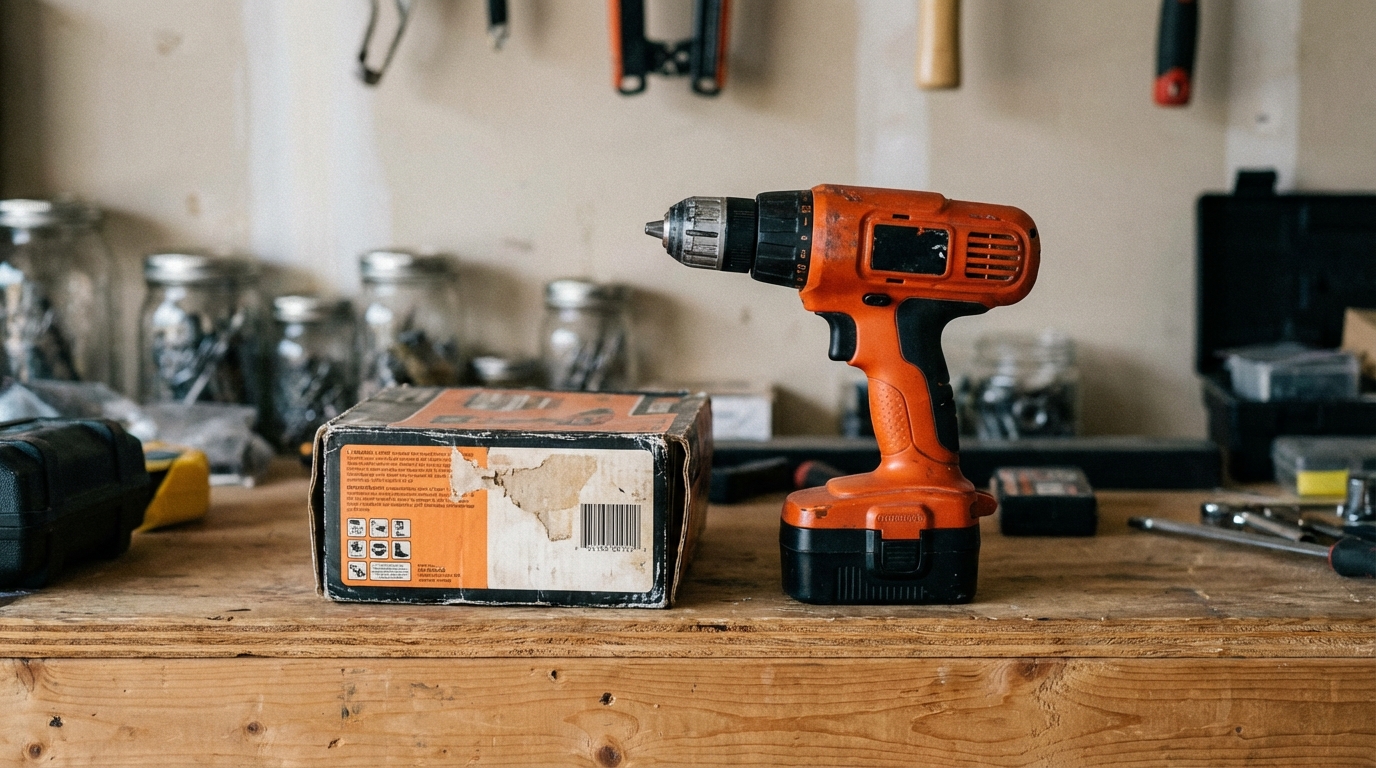
Three Types of Product Defects Under Wisconsin Law
Manufacturing Defects
A manufacturing defect exists when an individual product departs from its intended design, even though all possible care was exercised during manufacturing. The product was supposed to be built one way, but something went wrong during production. A single unit with a cracked weld, missing bolt, or contaminated material can qualify. The flaw is specific to the particular item, not the design as a whole.
Design Defects
A design defect affects every unit produced under the same blueprint. Under Wisconsin law, a product is defective in design if the foreseeable risks of harm could have been reduced or avoided by adopting a reasonable alternative design, and the omission of that alternative renders the product not reasonably safe. In the 2022 case Murphy v. Columbus McKinnon Corp., the Wisconsin Supreme Court held that the statute requires plaintiffs to prove both that a reasonable alternative design existed and that the product was unreasonably dangerous under the consumer-contemplation standard.
Inadequate Warnings or Instructions
A product can be considered defective if it lacks adequate instructions or warnings about foreseeable risks. Even a well-designed and properly manufactured product may be unreasonably dangerous if the manufacturer fails to alert consumers to potential hazards.
| Defect Type | What the Claimant Must Show | Example |
|—|—|—|
| Manufacturing Defect | The product departed from its intended design | A power tool with a cracked housing that was not present in other units |
| Design Defect | A reasonable alternative design existed, its absence made the product not reasonably safe, and the product was unreasonably dangerous beyond ordinary consumer expectations | A vehicle component that could have included a safer configuration |
| Inadequate Warnings | The manufacturer failed to provide sufficient warnings about foreseeable risks | A chemical product sold without hazard labels for skin contact |
💡 Pro Tip: If you suspect a design defect, research whether similar products from other manufacturers use a different, safer design to help establish that a reasonable alternative existed.
What the Murphy v. Columbus McKinnon Case Means for Madison Claimants
The Murphy v. Columbus McKinnon Corp. decision is one of the most significant recent rulings shaping strict liability product cases in Wisconsin. The case involved a utility line technician injured when a wooden pole fell and struck him while using Dixie jaw-style tongs manufactured by the defendant. The Wisconsin Supreme Court’s decision held that the statute creates a hybrid products liability claim for design defects, requiring proof of a reasonable alternative design and proof that the consumer-contemplation standard has been met.
For injured individuals in Madison, claimants must show both that a safer alternative design existed and that the product was dangerous beyond the safety expectations an ordinary consumer would have. The court also confirmed that Wisconsin’s product liability statute does not preclude plaintiffs from bringing common law negligence claims alongside strict liability claims. Under Wis. Stat. § 895.047(6), the statute does not apply to actions based on negligence or breach of warranty. This allows claimants to pursue multiple legal theories in a single lawsuit, strengthening their position.
💡 Pro Tip: Consider whether both strict liability and negligence claims may apply. Pursuing parallel claims can provide broader grounds for recovery if one theory faces evidentiary challenges.
Defenses Manufacturers May Raise in a Product Liability Attorney Wisconsin Case
Manufacturers facing strict liability claims in Wisconsin have several statutory defenses available. Under Wis. Stat. § 895.047(3), compliance with applicable government safety standards creates a presumption that the product is not defective. You can still overcome this presumption by presenting evidence that the product was defective despite meeting those standards.
Another common defense involves the claimant’s own conduct. Wisconsin law provides that damages may be reduced by the percentage of harm attributable to the claimant’s misuse, alteration, or modification of the product. If a manufacturer can show you used the product in an unforeseeable way or made changes that contributed to your injury, your potential recovery could be reduced. If the claimant’s causal responsibility exceeds the causal responsibility attributed to the product’s defect, the claimant is barred from recovering damages entirely.
- Compliance with government standards creates a presumption of nondefectiveness, but this can be rebutted with evidence that the product was nonetheless defective.
- Claimant misuse or alteration may reduce damages proportionally, and if the claimant’s causal responsibility exceeds that of the defect, recovery may be barred entirely.
💡 Pro Tip: Document how you were using the product at the time of your injury. Photographs, witness statements, and video footage can help counter arguments that you misused or altered the product.
Critical Deadlines: Wisconsin’s Statute of Repose for Product Liability Attorney Wisconsin Claims
Wisconsin imposes a 15-year statute of repose for product liability claims, measured from the date of manufacture. Under Wis. Stat. § 895.047(5), a defendant is generally not liable if the product was manufactured 15 or more years before the claim accrues. A narrow exception exists: if the manufacturer made a specific representation that the product would last beyond 15 years, the repose period may not apply.
For Madison residents, the age of the product matters significantly. Even if you can prove a clear defect, a claim filed after the repose period has expired may be barred entirely. If you have questions about whether your claim falls within the applicable window, learning about the elements you must prove in a product liability case can help you prepare.
How Strict Liability Applies to Emerging Technology in Madison
The principles of strict liability extend to modern products, including vehicles equipped with autonomous or semi-autonomous technology. When an automated driving system malfunctions and causes an injury, the same framework under Wis. Stat. § 895.047 applies. However, these cases often involve complex digital evidence such as event data recorder logs, sensor data, and software update histories. If you were injured by a self-driving or semi-autonomous vehicle, a defective product attorney Madison residents trust can help you secure and interpret this evidence.
💡 Pro Tip: If your injury involved a vehicle with automated features, request that a litigation hold letter be sent to the manufacturer immediately to preserve all electronic data related to the vehicle and its software.
Frequently Asked Questions
1. Do I need to prove the manufacturer was careless to win a strict liability claim in Madison?
No. Under Wisconsin’s strict liability statute, the focus is on the product rather than the manufacturer’s conduct. You must prove the product was defective and that the defect caused your injury. The manufacturer’s level of care is not central to strict liability, though it may be relevant in a separate negligence claim.
2. Can I file both a strict liability claim and a negligence claim for the same defective product?
Yes. Wis. Stat. § 895.047(6) clarifies that the product liability statute does not apply to actions based on negligence or breach of warranty. This means plaintiffs can bring a common law negligence claim alongside a strict liability cause of action, giving you multiple paths to recovery.
3. What happens if I modified the product before my injury?
Modifications may affect your claim but will not necessarily eliminate it. Wisconsin law provides that damages can be reduced by the percentage of harm attributable to the claimant’s misuse, alteration, or modification. However, if your causal responsibility exceeds the causal responsibility attributed to the product’s defect, you may be barred from recovering damages entirely.
4. Does the 15-year statute of repose apply to all product liability claims in Wisconsin?
Generally, yes. Wisconsin’s statute of repose bars product liability claims if the product was manufactured 15 or more years before the claim accrues. A narrow exception exists when the manufacturer specifically represented that the product would last longer than 15 years.
5. What is the difference between a manufacturing defect and a design defect?
A manufacturing defect affects a single unit that deviated from the intended design, while a design defect affects every product built to the same specifications. Manufacturing defects are production errors. Design defects require showing that a reasonable alternative design existed and that its omission made the product not reasonably safe.
Protecting Your Rights After a Product Injury in Madison
Strict liability under Wisconsin law provides injured consumers with a powerful tool for holding manufacturers accountable for defective products. Whether your case involves a manufacturing flaw, a dangerous design, or missing safety warnings, understanding the legal framework is essential for pursuing fair compensation. Timing, evidence preservation, and identifying the correct type of defect all play critical roles in building a strong claim.
If you or a loved one suffered an injury from a defective product in Madison, Kent | Pincin can help you understand your legal options. Call 608.999.4954 or contact our team today to get started.