
Can California Employers Ignore an Anonymous Harassment Complaint?
When Silence Is Not an Option: Your Rights After an Anonymous Report
Key Takeaways: California employers generally cannot ignore an anonymous harassment complaint once it puts them on notice of potential misconduct. Under FEHA, the duty to respond is triggered when an employer knows or should have known of harassing conduct, regardless of whether the reporter is named. This protection reaches nearly every workplace, including those with only one employee. A sufficiently detailed anonymous report can establish the notice that obligates an employer to investigate and take immediate corrective action. Employers who disregard such complaints may face direct FEHA liability, and California law bars forced waivers of reporting rights and retaliation against suspected reporters. Strict administrative deadlines apply, so documenting what you reported and acting promptly are critical.
No, California employers generally cannot ignore an anonymous harassment complaint once it puts them on notice of potential misconduct. Under the Fair Employment and Housing Act (FEHA), the moment management knows or reasonably should know about harassing conduct, a legal duty to respond is triggered, regardless of whether the reporter signed their name. If you raised concerns anonymously and your employer did nothing, you may have stronger rights than you realize.
If you believe your employer brushed aside a harassment report, the team at Kent | Pincin can help you understand your options. Call us at (310) 424-4991 or reach out through our confidential contact form to discuss what happened.
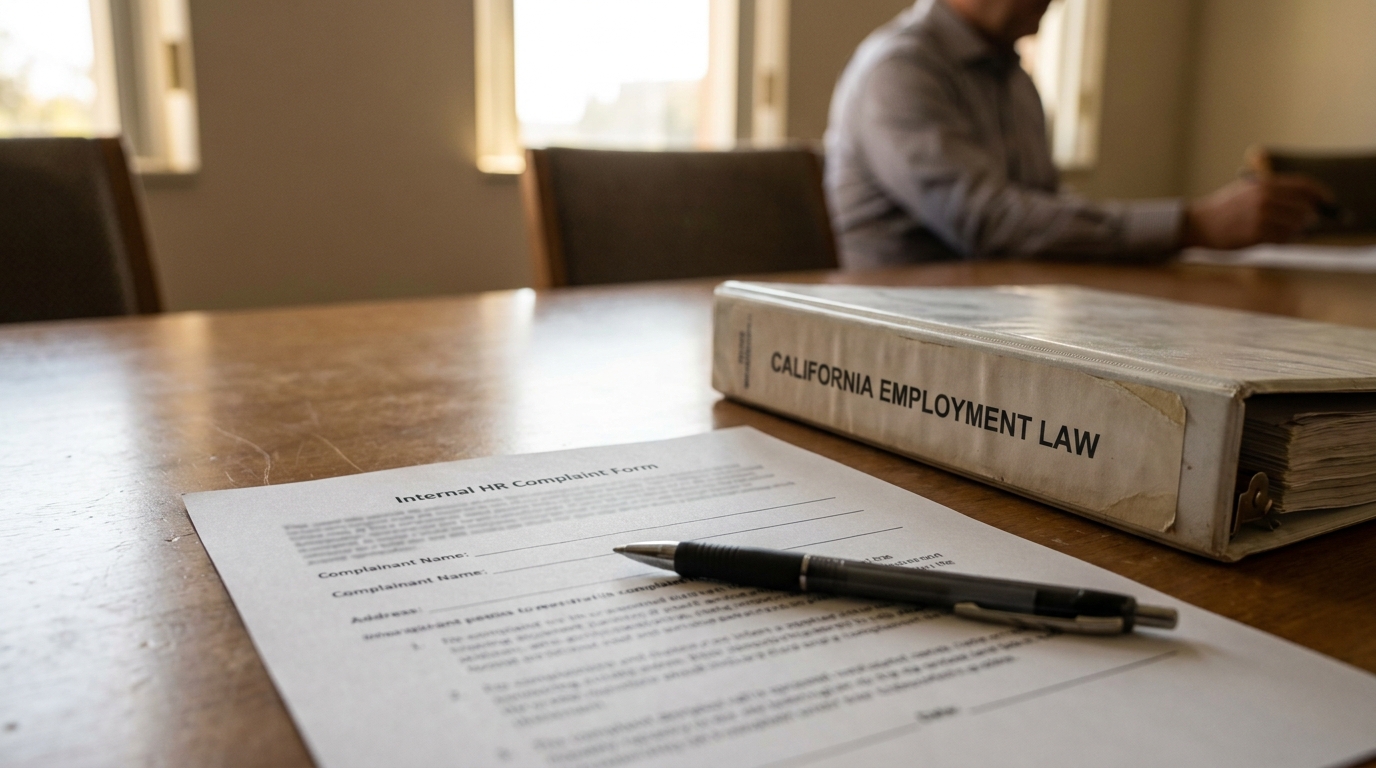
How California Law Treats Anonymous Complaints in the Workplace
FEHA does not carve out an exception for anonymous reports. The statute imposes liability where an employer knows or should have known of harassing conduct and fails to act. California Government Code § 12940(j)(1) provides that harassment by a co-worker is unlawful if the employer "knows or should have known of this conduct and fails to take immediate and appropriate corrective action." Nothing in that language depends on the identity of the reporter.
This "knew or should have known" standard is why anonymous complaints in the workplace still matter. Even when a report does not name the victim, an employer may be deemed on notice if the complaint contains enough detail about the alleged conduct and workplace. California courts have interpreted this notice standard broadly, meaning an employer typically cannot hide behind a report’s anonymity to escape its duty to investigate.
💡 Pro Tip: Include concrete details such as dates, locations, and conduct descriptions in your anonymous report. The more specific the report, the harder it is for an employer to claim it lacked notice.
Which Redondo Beach Employers Are Covered
Almost every employer in Redondo Beach is bound by FEHA’s anti-harassment duties. For harassment claims, California Government Code § 12940(j)(4)(A) defines "employer" to mean "any person regularly employing one or more persons," along with state and local public entities. That one-employee threshold is far lower than the five-employee threshold for many discrimination rules. A narrow exception exists for certain religious nonprofit associations, so coverage is broad but not absolute.
Harassment protections reach even the smallest workplaces. The California Civil Rights Department (CRD) confirms that harassment is prohibited in all workplaces, even those with fewer than five employees. Whether you work at a small Redondo Beach storefront or a large regional office, your employer’s duty to address harassment generally applies. You can review the agency’s overview on the state’s civil rights employment resources.
Training obligations reinforce this duty for larger employers. Employers of five or more employees must provide sexual harassment prevention training, and CRD accepts complaints when employers fail to comply.
What the Law Requires an Employer to Do
Once management learns of possible harassment, it must evaluate whether investigation is needed and respond promptly. Federal EEOC guidance explains that as soon as management learns about alleged harassment, it should determine whether a detailed fact-finding investigation is necessary. An employer is liable for co-worker harassment if it knew or should have known of the misconduct, unless it took immediate and appropriate corrective action.
California’s required training content treats investigation as an obligation, not an option. Supervisory harassment prevention training under California Government Code § 12950.1 must teach supervisors how to respond to harassment complaints and the employer’s obligation to conduct workplace investigations. This statute also requires instruction on retaliation prevention, essential components of an antiharassment policy, and supervisors’ duty to report harassment. These provisions reflect a legislative expectation that complaint procedures be backed by genuine action.
Employers must also be transparent about confidentiality limits. Training must explain the limited confidentiality of the complaint process and resources available to victims, including reporting channels.
The duties owed when an employer learns of harassment generally include:
- Assessing whether the report provides enough notice to require fact-finding
- Taking immediate and appropriate corrective action when harassment is confirmed
- Taking reasonable steps to prevent further harassment
- Avoiding retaliation against suspected reporters
💡 Pro Tip: Keep your own dated record of what you reported and when. Your contemporaneous notes can become important evidence if your employer later claims it never received notice.
When an Ignored Complaint Becomes a Legal Problem
An employer that disregards a complaint it knew or should have known about may face direct FEHA liability. Under California Government Code § 12940(j)(1), the failure to take immediate and appropriate corrective action after gaining notice is itself the violation. An ignored anonymous complaint can expose that employer to liability, even if the original reporter never came forward publicly.
The EEOC’s affirmative defense framework places the burden on employers to show they acted reasonably. That defense requires proof that the employer "exercised reasonable care to prevent and correct promptly any harassing behavior," including having functioning complaint procedures. The EEOC even recommends that employers offer anonymous reporting options. An employer that advertises an anonymous channel but never investigates undermines its own defense. You can read the federal standard in the EEOC’s vicarious liability harassment guidance.
💡 Pro Tip: Anonymous does not always mean untraceable. If you are weighing whether to come forward, understand how your identity might surface, a topic explored in this discussion of whether anonymous reports stay private in California.
Protections Against Retaliation and Forced Waivers
California law protects your right to report harassment and bars employers from forcing you to give it up. California Labor Code § 432.6(a) prohibits employers from requiring, as a condition of employment, that an employee waive the right to file or pursue a FEHA complaint or notify any state agency of an alleged violation. An internal policy generally cannot strip you of your right to report harassment to the CRD or a court.
Retaliation against a suspected anonymous reporter can create liability. FEHA’s anti-retaliation provision, California Government Code § 12940(h), makes it unlawful to retaliate against a person for opposing harassment or participating in a related complaint. Separately, California Labor Code § 432.6(b) prohibits an employer from threatening, retaliating against, or terminating an employee because of a refusal to waive these rights. Because anonymous reporters can sometimes be identified, employers should be cautious about taking any adverse action connected to a complaint.
💡 Pro Tip: If you experience a sudden negative change at work shortly after a report, note the timing. Close timing between protected activity and an adverse action is one factor courts may consider in retaliation claims.
Practical Steps If Your Report Was Ignored
Documentation is often the most valuable thing you can build right now. Save emails, written complaints, witness names, and any responses you received. These materials help establish what your employer knew and when, which is central to the notice analysis under FEHA.
Be mindful of deadlines, which are strict and fact-dependent. Harassment claims generally require filing an administrative complaint with the CRD before pursuing a civil lawsuit. Tolling or delayed-discovery rules may apply only in limited circumstances, and courts tend to interpret such exceptions narrowly, so prompt attention matters. A confidential review of your facts is the best way to understand which deadlines apply.
Guidance from a knowledgeable advocate can clarify your position. A workplace harassment attorney Redondo Beach California can evaluate whether your employer had notice, whether it failed to act, and whether retaliation followed. Outcomes always depend on the specific facts.
Frequently Asked Questions
1. Does an anonymous complaint really put my employer on notice?
It can, depending on the detail provided. Under California Government Code § 12940(j)(1), notice arises when an employer knows or should have known of harassing conduct. A specific, detailed anonymous report may satisfy that standard even without naming the victim.
2. My workplace has only three employees. Am I still protected?
Generally, yes. California Government Code § 12940(j)(4)(A) defines "employer" for harassment purposes as anyone regularly employing one or more persons, and CRD confirms harassment is prohibited even in workplaces with fewer than five employees.
3. Can my employer make me waive my right to report harassment?
No, not as a condition of employment. California Labor Code § 432.6(a) prohibits employers from requiring employees to waive the right to file a FEHA complaint or notify a state agency of an alleged violation.
4. What if I was punished after reporting anonymously?
That may be unlawful retaliation. California Government Code § 12940(h) protects against retaliation for opposing harassment or participating in a complaint, and California Labor Code § 432.6(b) separately protects an employee’s refusal to sign a waiver. Whether your situation qualifies depends on causation and the surrounding facts.
5. How quickly do I need to act?
Sooner is generally safer. Administrative complaint deadlines with the CRD are strict and separate from civil lawsuit timelines. Exceptions like tolling apply only in limited circumstances, so a prompt consultation is advisable.
Where This Leaves California Workers
The bottom line is that anonymous reports carry real legal weight in California. Once an employer knows or should have known of harassment, FEHA generally requires immediate and appropriate corrective action, and statutory training mandates reinforce that investigation is an obligation. Anonymous complaints in the workplace are not a loophole employers can use to look the other way, and ignoring such a report can expose a Redondo Beach employer to FEHA and Labor Code liability.
If your harassment complaint was ignored, you do not have to navigate this alone. Connect with Kent | Pincin for a confidential review by calling (310) 424-4991 or sending a message through our secure consultation request today.