
How the Walton Decision Protects Unpaid Interns From Harassment in California
Anonymous Complaints in the Workplace: Why the Walton Decision Matters for California Interns
Key Takeaways: California continues to strengthen protections for unpaid interns under the Fair Employment and Housing Act (FEHA), and the Walton decision 2026 has reinforced how far those safeguards reach. Unpaid interns generally have the same anti-harassment protections as paid staff, even when the harasser is a client, vendor, or outside supervisor. An intern does not need to lose a stipend or placement to bring a viable FEHA harassment claim. Employers hosting interns may bear an affirmative duty to prevent harassment, and individual harassers can face personal liability. Anonymous complaints in the workplace can play a meaningful role in documenting misconduct, though outcomes always depend on the specific facts.
Unpaid interns in Redondo Beach and across California are watching a legal landscape that is shifting in their favor. For years, young people building resumes in a competitive job market took unpaid positions without clear assurance that harassment laws protected them. The Walton decision 2026 has brought renewed attention to how California treats interns who report misconduct, including those who rely on anonymous complaints in the workplace to raise concerns without fear of exposure.
This development matters because interns are frequently among the most vulnerable people in any organization. They often lack seniority, job security, and the confidence to speak up. When a hospital extern, a nonprofit volunteer, or a law office intern in the South Bay experiences unwelcome conduct, understanding their rights under FEHA can be the difference between silence and accountability.
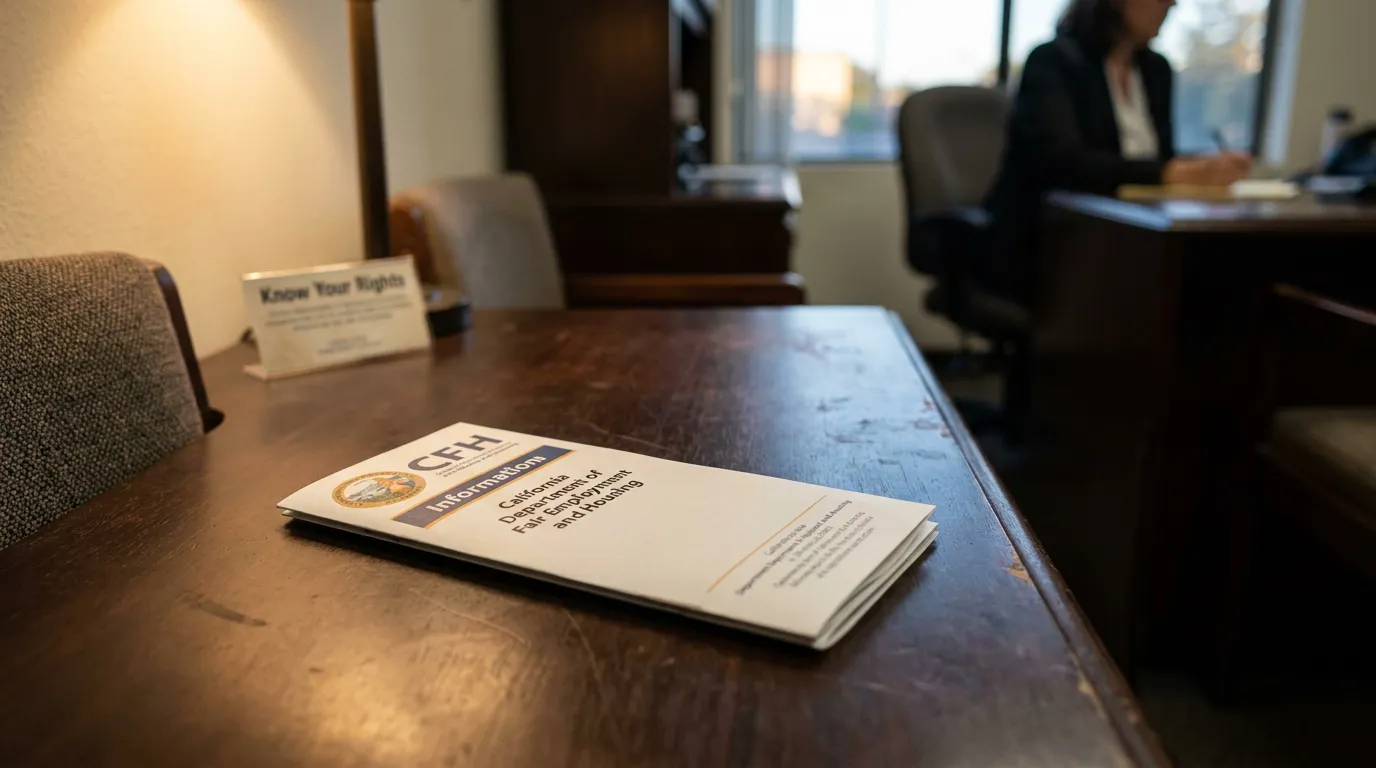
The Statutory Backbone: How FEHA Protects Unpaid Interns
California’s Fair Employment and Housing Act expressly prohibits harassment against an unpaid intern or volunteer, not just paid employees. Under Government Code Section 12940(j)(1), it is unlawful for an employer, labor organization, employment agency, or apprenticeship program to harass an unpaid intern based on protected characteristics. This means interns on clinical rotations or academic placements generally receive the same anti-harassment protections as traditional employees.
The FEHA 2015 intern amendment closed a real gap in the prior law. Before that change, FEHA protected employees from sexual harassment but did not specifically include unpaid interns, and a state court decision had held that FEHA did not apply to workplace volunteers. Lawmakers acted through AB 1443 to revise and extend existing non-discrimination, harassment, and reasonable accommodation obligations to interns regardless of whether a person is formally called an intern. You can review the underlying statutory language in the FEHA employment provisions directly.
The protected worker categories under FEHA are broad and cover more than sexual conduct. Harassment because of sex includes sexual harassment, gender harassment, and harassment based on pregnancy or childbirth, and the statute makes clear that sexually harassing conduct need not be motivated by sexual desire. Conduct driven by gender bias, hostility, or power dynamics may still be actionable, subject to how courts evaluate the specific facts.
Why the Legislature Focused on Interns
The bill’s author framed the reform as an explicit ban on workplace sexual harassment of unpaid interns and volunteers. The measure responded to the rise of unpaid positions that young people use to gain experience. Legislative analysis of AB 1443 also noted a gender dimension, observing that women are significantly more likely than men to hold unpaid internships, which makes these protections particularly consequential.
The legislative history offers useful context for anyone evaluating a claim today. Analysts pointed out that FEHA already extended protection to some non-employees, such as independent contractors providing services under a contract, which gave a logical foundation for covering interns and volunteers. The full committee discussion appears in the Assembly bill analysis for those who want the original record.
A Redondo Beach Scenario: When an Externship Turns Hostile
Imagine a nursing student completing an unpaid clinical rotation at a South Bay medical facility. A third-party supervisor who is not employed by her school repeatedly makes demeaning, gender-based comments and unwanted advances. She fears that reporting the conduct could cost her the placement she needs to graduate, so she hesitates.
Under California law, this intern generally does not need to lose a tangible benefit to establish harassment. FEHA states that loss of tangible job benefits is not necessary to prove a harassment claim. That principle can be critical for interns who receive no traditional compensation and might otherwise assume they have no legal remedy.
Her situation also illustrates how clinical rotation harassment can involve people outside the hiring organization. Employers may be responsible for the acts of non-employees, such as clients, vendors, or outside supervisors, when the employer knew or should have known of the conduct and failed to take immediate and appropriate corrective action. Whether that standard is met depends heavily on the facts, including what the host organization knew and when.
Employer Duties, Individual Liability, and the Role of Anonymous Complaints in the Workplace
FEHA imposes an affirmative duty on covered entities to take all reasonable steps to prevent harassment from occurring. Organizations that host interns, including hospitals, law firms, nonprofits, and government agencies, generally must maintain proactive anti-harassment policies rather than purely reactive ones. A failure to prevent harassment can itself form the basis of a FEHA violation, subject to how a court weighs the evidence.
Individual supervisors and co-workers can also face personal liability for harassment they commit. Under Government Code Section 12940(j)(3), an employee is personally liable for harassment they perpetrate, regardless of whether the employer knew or should have known. This means a harasser generally cannot hide behind the organizational structure to avoid individual accountability.
Reporting channels are where anonymous complaints in the workplace become practically important. Interns who fear retaliation may feel safer using confidential or anonymous reporting systems to document concerns. While such reports can help establish that an employer knew or should have known of misconduct, their weight depends on corroborating evidence, timing, and credibility. Understanding what qualifies as a hostile work environment in California can help an intern evaluate whether the conduct crosses the legal threshold.
Training obligations add another layer that may strengthen an intern’s position. California generally requires employers with five or more employees to provide sexual harassment prevention training, including content on gender identity, gender expression, and sexual orientation. When a trained supervisor harasses an intern, that conduct may be evaluated against the very obligations the supervisor was required to learn.
Practical Steps Interns Often Consider
Documentation is frequently the foundation of a strong harassment claim. Interns who believe they are being harassed often benefit from preserving evidence early and understanding applicable deadlines. The following steps are commonly discussed, though each situation is unique:
- Keep a dated written record of incidents, including witnesses and specific statements.
- Preserve emails, texts, messages, and any relevant reporting confirmations.
- Note whether and how the conduct was reported, including through anonymous complaints in the workplace channels.
- Identify potential witnesses who observed the conduct or its effects.
- Track important dates, because administrative and civil deadlines can be strict.
Deadlines deserve particular caution. Civil statutes of limitation and administrative filing deadlines with the Civil Rights Department or the EEOC are different from one another, and courts generally interpret tolling and discovery exceptions narrowly. No extension should be treated as automatic or guaranteed, and in limited circumstances a missed deadline can bar an otherwise valid claim.
How Does This Impact Me?
What Does the Walton Decision Mean for My Situation as an Intern?
It reinforces that unpaid intern FEHA protection is a serious, enforceable safeguard in California. If you are an unpaid intern who experienced harassment, you may have rights comparable to those of paid employees. Because outcomes depend on the specific facts, a case-by-case review is generally necessary.
I Never Received a Stipend. Can I Still Bring a Claim?
Yes, potentially. FEHA states that loss of tangible job benefits is not necessary to establish harassment, so an unpaid position does not automatically foreclose a claim. Whether your particular experience meets the legal standard will depend on the severity or pervasiveness of the conduct and its connection to a protected characteristic.
Does This Change My Deadline to File?
Not necessarily, and deadlines should never be assumed. Administrative claim deadlines and civil statutes of limitation operate separately, and exceptions are applied narrowly by courts. If you believe you were harassed, prompt attention to timing is generally advisable so that potential rights are preserved.
The Harasser Was a Client, Not My Employer. Am I Protected?
You may still have recourse. Employers can be responsible for harassment by non-employees when they knew or should have known and failed to take appropriate corrective action. This is especially relevant in externship and clinical settings where interns interact with outside personnel.
What Should I Do Next?
Consider preserving evidence and seeking guidance before deadlines pass. Documenting incidents, identifying witnesses, and understanding your reporting options are practical first steps. For a confidential discussion, you can consult a firm respected for handling harassment victim representation, such as a dedicated workplace harassment lawyer.
What This Shift Means Going Forward
California’s approach to sexual harassment interns California cases continues to trend toward stronger protection. The combination of statutory text, the FEHA 2015 intern amendment, and renewed attention from the Walton decision 2026 signals that unpaid interns are firmly within the state’s protected worker categories. Even a single incident may be enough to meet California’s harassment threshold when the conduct is sufficiently severe, which reflects how protective this framework is intended to be.
Still, every claim turns on its own facts, evidence, and timing. No article can predict how a court will evaluate a particular set of circumstances, and nothing here should be treated as individualized legal advice. Interns experiencing Workplace Harassment in Redondo Beach, California should weigh their options carefully and act with an awareness of applicable deadlines.
If you are an unpaid intern or volunteer who has faced harassment, you do not have to navigate these questions alone. The team at Kent | Pincin works with employees and interns who believe their rights under FEHA were violated. To learn more about how this development may affect your situation, call [(310) 424-4991]((310) 424-4991) or contact our office today for a confidential conversation.