
What Makes Working Conditions Legally Intolerable in California?
When Leaving a Job Is Really a Firing in Disguise
Key Takeaways: In California, working conditions become legally intolerable when an employer knowingly creates conditions so aggravated that a reasonable person would feel compelled to resign, turning a forced resignation into constructive discharge treated as termination. Courts apply an objective reasonable person standard from Turner v. Anheuser-Busch, not individual sensitivity, and ordinary grievances like pay cuts generally don’t qualify. The law typically requires aggravated or continuous conditions, though single severe incidents, such as violence or an ultimatum to commit a crime, can qualify. FEHA imposes affirmative duties for violence victims, including engaging in good faith interactive processes and providing reasonable safety accommodations, so broken processes can evidence intolerability. Federal charge windows generally run 180 or 300 days with separate civil lawsuit deadlines, making prompt action essential. Preserving documentation early and seeking case-specific legal evaluation are critical first steps.
Working conditions become legally intolerable in California when an employer knowingly creates conditions so aggravated that a reasonable person would feel compelled to resign. This is the heart of a constructive discharge California claim. Under California law, a forced resignation is treated as a termination, which is why the doctrine matters for employees weighing their options after a difficult exit.
If you believe you were pushed out rather than truly quitting, the team at Kent | Pincin is ready to listen. Call us at (310) 424-4991 or reach out through our confidential case review form to discuss your options.
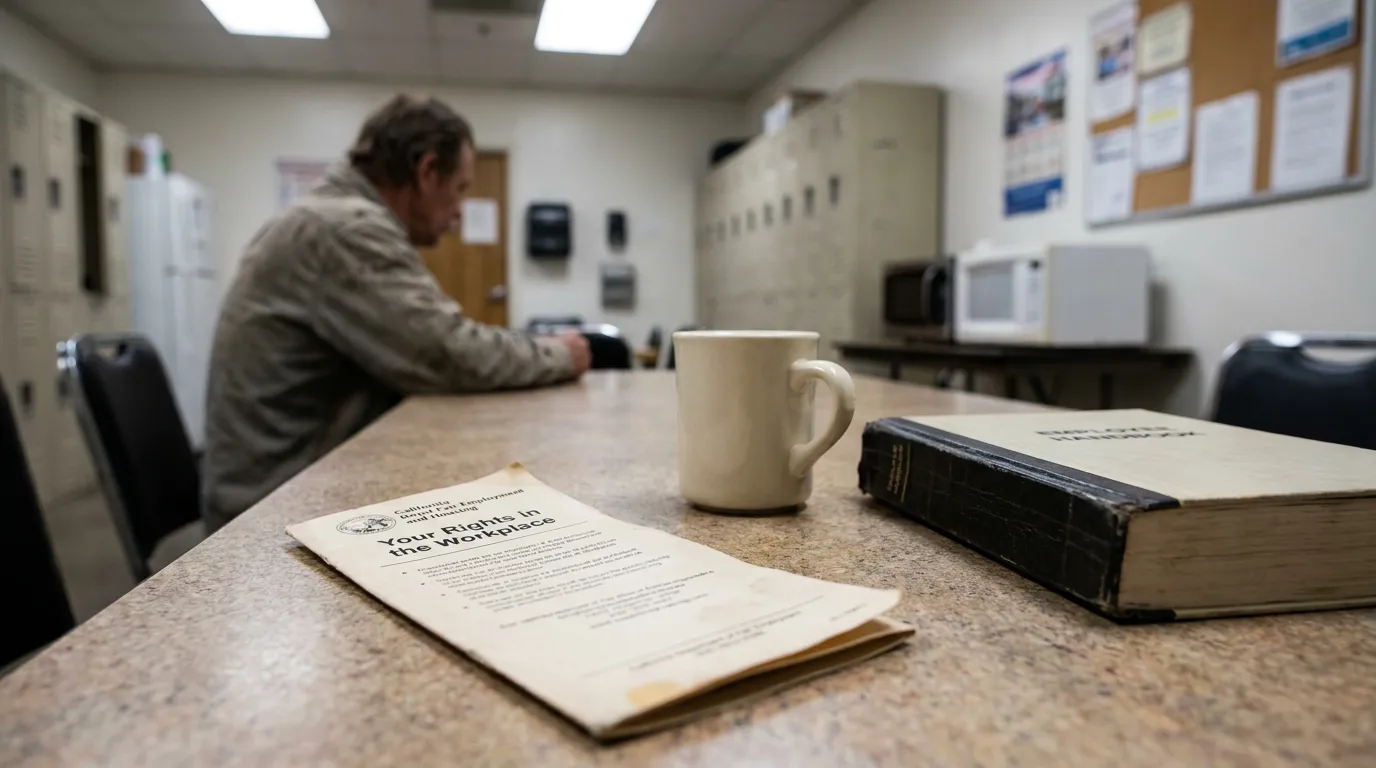
The Reasonable Person Standard Behind a Constructive Discharge California Claim
California courts measure intolerable working conditions using an objective test rather than personal feelings. Turner v. Anheuser-Busch, Inc. (1994) 7 Cal.4th 1238 established that constructive discharge is legally regarded as a firing because the employer’s conduct forces the worker out involuntarily, allowing a forced resignation to become actionable as wrongful termination.
The reasonable person standard asks whether an ordinary employee facing the same circumstances would have felt compelled to leave. The analysis focuses on the severity of conditions, not individual sensitivity. Courts apply this framework carefully, with outcomes depending heavily on specific facts.
Ordinary adverse job actions, such as pay reductions, don’t by themselves trigger constructive discharge, and illegal conduct alone doesn’t render conditions intolerable. The law generally requires aggravated or continuous conditions, making clear documentation essential.
💡 Pro Tip: Keep a dated log of incidents, including who was involved and any witnesses. Contemporaneous notes often carry more weight than memories reconstructed months later.
Aggravated Versus Ordinary Workplace Problems
Not every unpleasant workplace situation meets the legal bar. California distinguishes between common grievances and truly unbearable conditions. Courts may consider:
- Persistent or escalating harassment that goes unaddressed after complaints
- Refusal to engage with legitimate safety or accommodation needs
- Ultimatums requiring illegal acts
- Conduct violating clear public policy grounded in statute or constitution
These categories are illustrative, not exhaustive. Whether particular facts cross the line is often fact-intensive, which is why legal evaluation before proceeding is valuable.
When a Single Serious Incident Can Be Enough
In certain circumstances, one severe event can render conditions legally intolerable. California recognizes that a single incident, such as a crime of violence against an employee or an employer’s ultimatum to commit a crime, may constitute constructive discharge, an exception to the general requirement of continuous conditions.
An employer cannot lawfully coerce an employee into breaking the law. Under the public-policy doctrine rooted in Tameny v. Atlantic Richfield Co. (1980) 27 Cal.3d 167, an employer cannot compel unlawful compliance by discharging someone who refuses. An employee forced to resign rather than commit a crime may pursue a wrongful discharge tort claim.
For constructive discharge to violate public policy, the underlying policy must be supported by constitutional or statutory provisions, and judges determine whether the alleged resignation reason amounts to a public-policy violation. The California civil jury instructions on constructive discharge reflect how courts frame these questions.
💡 Pro Tip: If you were told to do something you believed was illegal, save the instruction in writing when possible, such as an email or text, and preserve it before losing access to work systems.
FEHA, Safety, and the Breakdown of Accommodation
California’s Fair Employment and Housing Act imposes affirmative duties that can shape intolerable-conditions analysis. For employees who are victims of qualifying violence, FEHA obligates employers to engage in good faith interactive processes to identify effective reasonable safety accommodations and prohibits retaliation against employees requesting them, regardless of whether granted. See Cal. Gov. Code § 12945.8(e).
The statute requires reasonable accommodations for workplace safety of violence victims. Under Cal. Gov. Code § 12945.8(e)(1)-(2), measures may include transfers, reassignments, modified schedules, changed work stations, or installed locks. When employers refuse to engage with legitimate safety needs, conditions can deteriorate toward intolerability supporting a constructive termination Redondo Beach employee’s claim.
The accommodation duty ties to broader safety obligations. The statute provides that undue hardship includes actions violating an employer’s duty to furnish and maintain safe and healthful workplaces, as required by Labor Code § 6400. Persistent failure to maintain safe conditions can be central to whether conditions are legally intolerable. The complete framework appears in the California Government Code accommodation provisions.
How a Broken Interactive Process Becomes Evidence
A breakdown in the interactive process can be persuasive evidence of intolerability. When an employer ignores accommodation requests or retaliates for making one, that conduct may help show a reasonable person would feel forced to resign. Retaliation concerns often overlap with other protected activity, discussed in our article on whether your employer can fire you after a complaint.
💡 Pro Tip: Put accommodation requests in writing and keep copies. A documented request followed by inaction or punishment is often more compelling than a verbal exchange.
Deadlines That Can Quietly End a Strong Case
Time limits can be unforgiving, so acting promptly is critical. For federal charges, the baseline requires filing within approximately 180 days from the discrimination, but that extends to 300 days where state or local agencies enforce parallel anti-discrimination laws. Because California enforces parallel laws, many California workers fall within the longer window, though this isn’t automatic.
Ongoing harassment claims turn on the timing of the last incident. Charges generally must be filed within the 180 or 300 day window measured from the last incident, though earlier incidents may be considered during investigation.
| Situation | General Filing Window |
|---|---|
| Federal baseline | Approximately 180 days from the act |
| State/local parallel law applies | Up to 300 days |
| Ongoing harassment | Measured from the last incident |
Administrative charge deadlines are distinct from civil lawsuit deadlines, and courts interpret tolling and discovery exceptions narrowly. Early legal guidance helps preserve your rights.
Building a Record for Wrongful Termination California Claims
Strong constructive discharge cases are built on documentation, not just recollection. Because the reasonable person standard is fact-driven, evidence preserved before and after leaving can determine whether your account holds up. Emails, text messages, performance reviews, complaint records, and witness names help paint a fuller picture.
Preserving evidence early is often the difference-maker. Once you separate from an employer, access to internal systems typically disappears, so gathering what you lawfully can while employed is wise. If unsure what you may keep or how to document events without violating policy, guidance from a constructive discharge California lawyer helps you avoid missteps.
💡 Pro Tip: Save copies of relevant records to personal accounts only when permitted. Taking confidential or proprietary material without authorization can create separate legal problems.
Where Redondo Beach Employees Often Feel Stuck
Many workers hesitate because they’re unsure whether their situation qualifies. Some assume that resigning means giving up their rights, when forced resignations may be treated as firings under California law. Others wait too long and risk missing deadlines. Understanding the doctrine early, ideally with support from someone versed in Redondo Beach employment law, enables informed decisions.
Frequently Asked Questions
-
Is a constructive discharge the same as being fired in California?
Legally, they are treated similarly. Constructive discharge is regarded as a firing because the employer’s conduct forced the departure, following Turner v. Anheuser-Busch. Whether your facts meet that standard is case-specific.
-
Do I have to prove my employer intended to force me out?
Intent can matter, but the core test is objective. Courts focus on whether a reasonable person would find conditions intolerable, applying the reasonable person standard rather than solely the employer’s state of mind.
-
Can one incident really support a constructive discharge California claim?
In limited circumstances, yes. A single severe event, such as employer violence or an ultimatum to commit a crime, may qualify. Most cases involve continuous or aggravated conditions.
-
Does requesting a FEHA accommodation protect me from retaliation?
FEHA prohibits retaliation for requesting reasonable accommodation. For violence victims, Cal. Gov. Code § 12945.8(e) protects safety accommodation requests regardless of whether granted, and FEHA likewise protects disability and religious accommodation requests. Retaliation may also evidence intolerable conditions.
-
How long do I have to act?
Deadlines vary and are strictly applied. Federal charge windows generally run 180 or 300 days, and civil lawsuit deadlines are separate. Prompt legal advice is the safest course.
Protecting Your Rights After a Forced Resignation
Deciding whether intolerable working conditions in California crossed the legal line is rarely simple. The doctrine blends the reasonable person standard, FEHA’s accommodation and anti-retaliation duties, safety obligations under Labor Code § 6400, and strict deadlines. Because outcomes depend on specific facts, careful evaluation is the wisest first step for anyone weighing a forced resignation California situation.
If your workplace pushed you to the breaking point, the attorneys at Kent | Pincin are here to help you understand your rights. Call (310) 424-4991 today or schedule your consultation online to move forward with clarity and confidence.