
Who Qualifies for CFRA Leave Protection at a Redondo Beach Employer?
Understanding Your Right to Job-Protected Family and Medical Leave in the South Bay
Key Takeaways: CFRA eligibility at a Redondo Beach employer requires two tests: a covered employer with 5 or more employees, and an employee with at least 12 months of service plus 1,250 hours worked in the prior 12-month period. California’s 2021 expansion eliminated the old 50-employee, 75-mile worksite requirement, broadening coverage significantly. Qualifying reasons include your own serious health condition, caring for family members including a "designated person," or bonding with a new child, with up to 12 weeks of unpaid, job-protected leave and reinstatement rights. Job protection and wage replacement are separate systems; receiving EDD-administered Paid Family Leave does not prove your position was legally protected. California and federal leaves generally run concurrently. When leave is followed by discipline or termination, causation and documentation, not just eligibility, usually determine whether a retaliation claim under Government Code § 12945.2 is provable.
If you work for a Redondo Beach employer and need time away for a serious health condition, to care for a family member, or to bond with a new child, the California Family Rights Act may protect both your leave and your job. Eligibility turns on whether your employer is covered, whether you have sufficient tenure and hours, and whether your reason qualifies.
If you requested leave and your employer responded with an adverse action, the employment attorneys at Kent | Pincin are prepared to review the documentation. Call (310) 424-4991 or contact us now to discuss your situation.
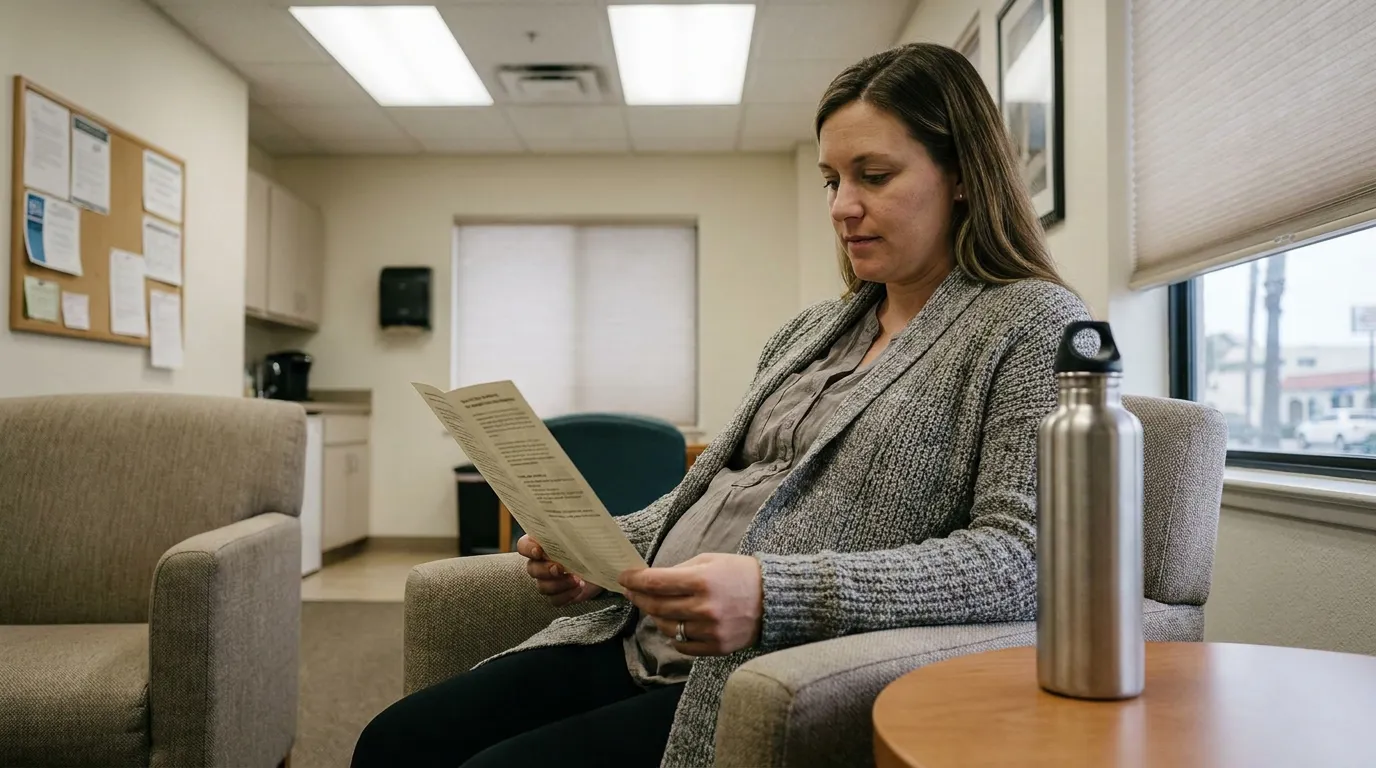
What CFRA Actually Guarantees Under Government Code § 12945.2
CFRA is a job-protection statute, not a wage-replacement program. California law guarantees job-protected leave to eligible employees with a serious health condition, caring for a covered family member, or bonding with a new child. The California Family Rights Act provides up to 12 weeks of unpaid, job-protected leave in a 12-month period. The statutory text appears in Cal. Gov. Code § 12945.2, with related provisions at Cal. Gov. Code §§ 12945.8 and 19702.3.
The reinstatement right is the core protection. For qualifying employees, the employer must generally reinstate the worker to the same position or a comparable position with similar pay, benefits, duties, and geographic location. That obligation is subject to statutory defenses, including whether a position would have been eliminated regardless of the leave.
Who Qualifies: The Two Threshold Tests for CFRA Eligibility
CFRA eligibility requires both a covered employer and a qualifying employee. Neither test alone is sufficient, and both are frequently disputed in litigation. Employers sometimes assert that a worker fell short on hours or tenure, making payroll and personnel records central evidence.
Covered Employer CFRA Thresholds
California dramatically expanded coverage in 2021. Under changes noted by the Civil Rights Department, employers of 5 or more employees are covered by CFRA, meaning many Redondo Beach businesses fall within the statute. Crucially, CFRA no longer requires employers to have at least 50 employees within 75 miles of the employee’s worksite. This elimination of the worksite mileage rule broadened California leave eligibility for employees at dispersed or satellite locations.
Employee Eligibility: 12 Months Employment and 1,250 Hours
Tenure and service hours are the second gate. To be eligible for CFRA leave, an employee must have at least 12 months of service with their employer and have worked at least 1,250 hours in the 12-month period before the date they want to begin their leave. For career employees, this threshold is rarely an obstacle, though disputes can arise over how service is counted after acquisitions or reorganizations. The 12 months need not be consecutive.
Qualifying Family Relationships
The list of covered family members is broader than many assume. As of 2023, eligible employees may take CFRA leave for a child, spouse, domestic partner, parent, parent-in-law, grandparent, grandchild, sibling, or a "designated person" in a family-like relationship with a serious health condition. An employer may limit an employee to one designated person per 12-month period. Denials based on outdated notions of who counts as family can become evidence in later claims.
| Eligibility Element | General Requirement |
|---|---|
| Employer size | 5 or more employees under CFRA |
| Worksite mileage rule | No longer applies to CFRA eligibility |
| Length of service | At least 12 months (need not be consecutive) |
| Hours worked | At least 1,250 in the prior 12 months |
| Leave duration | Up to 12 weeks, unpaid |
💡 Pro Tip: Before you request leave, save a personal copy of your most recent performance reviews. If a strong review record is followed by sudden criticism after your leave request, that contrast can be meaningful.
Bonding Leave and Coverage at Mid-Size Employers
New-parent leave rights follow a similar structure but reach further down the size scale in California. The federal FMLA generally applies only to employers with 50 or more employees and retains the 50-employee, 75-mile worksite requirement. CFRA, by contrast, now provides up to 12 weeks of unpaid bonding leave at employers with 5 or more employees. Understanding these overlapping statutory schemes for California parental leave rights can help clarify which framework applies to your workplace.
Worksite headcount tests still matter under federal law. The FMLA’s 75-mile radius requirement can matter when evaluating a Redondo Beach location tied to a larger regional operation, even though CFRA no longer imposes that test.
Pay During Leave: Separating Wage Benefits From Job Protection
Job protection and wage replacement come from two different systems. While the law guarantees only unpaid leave, some employers pay employees during CFRA leave. Employees may choose, or employers may require, use of accrued paid leave while taking CFRA leave. Employees on CFRA leave may also be eligible for benefits administered by the Employment Development Department, including Paid Family Leave and State Disability Insurance.
This distinction can be counterintuitive. Even if you do not qualify for job-protected time off because you work for an employer with fewer than five employees or have not met the service thresholds, you may still qualify for state wage-replacement benefits. Receiving a state benefit check does not establish that your position was legally protected.
- Job protection generally comes from CFRA or the FMLA, depending on employer size and eligibility.
- Wage replacement generally comes from EDD-administered programs.
- Accrued paid leave may run alongside statutory leave under certain circumstances.
Why Overlapping Leaves Generally Do Not Stack
California coordinates its leave statutes so entitlements generally run together rather than accumulate. Under Cal. Gov. Code § 12945.2(o)-(p), an employer may limit total leave time to 12 weeks, and leave taken under that section runs concurrently with leave taken under the federal Family and Medical Leave Act of 1993. Pregnancy Disability Leave is a notable exception because it is a separate entitlement that does not count against CFRA leave. The full statutory framework is available through the state’s Government Code leave provisions.
💡 Pro Tip: Ask your employer in writing which 12-month measurement method it uses. A written answer creates a record and helps prevent later disputes over how much leave remained.
Notice Requirements and Common Procedural Traps
Procedure matters, and notice is where many otherwise strong claims get complicated. Under the FMLA and CFRA, employers may require employees to give at least 30 days’ advance notice when the need for leave is foreseeable. Where the need is not foreseeable, such as a sudden hospitalization, notice as soon as practicable is the standard. Failure to follow an employer’s usual procedures does not automatically forfeit leave rights. The Civil Rights Department’s overview of family and medical leave rights addresses these procedural expectations.
Documentation requests are another frequent friction point. Employers may seek medical certification of the serious health condition, but requests that extend beyond statutory and regulatory limits can be probative in a later dispute. If your leave stems from a disability, your employer may also owe separate obligations under the interactive process for disability accommodation requests, which operates independently of leave entitlements.
CFRA Retaliation Government Code 12945.2 Claims and What They Require
A cfra retaliation government code 12945.2 claim generally focuses on causation, not just eligibility. The typical pattern involves a qualifying employee who requests or takes protected leave and then faces an adverse employment action: termination, demotion, a sudden negative review, or a reorganization that eliminates only that position. Timing alone is generally not dispositive, and employers routinely offer performance-based or business-based explanations that courts may weigh under a shifting burden framework.
Documentation is what separates a provable claim from a suspicion. Emails approving leave, text messages from supervisors, shifting written justifications, and personnel files that show a clean record until the leave request can all be significant. Employees pursuing 12945.2 protection should preserve these materials early, because access to company systems often ends abruptly.
Retaliation analysis often intersects with other protected categories. A pregnancy-related leave request, a disability-based leave, or a complaint about how a leave was handled can each independently trigger protection. If you believe you were penalized for exercising family leave rights, a cfra retaliation government code 12945.2 lawyer can evaluate how those theories fit together under California law.
Frequently Asked Questions
1. Does part-time work count toward CFRA eligibility?
Part-time employment can count, provided the employee accumulates at least 12 months of service and at least 1,250 hours of actual work in the preceding 12-month period. Payroll records generally control the analysis.
2. Can my employer require me to use vacation time during CFRA leave?
In certain circumstances, employees may choose or employers may require the use of accrued vacation or other paid time off while taking CFRA leave. The specifics depend on the type of leave, employer policy, and applicable regulations.
3. Is my job protected if I work for a very small Redondo Beach employer?
CFRA generally applies to employers with 5 or more employees. Employees at smaller workplaces may still qualify for state wage-replacement benefits without holding a statutory right to reinstatement.
4. What if my employer denies leave because my relative is not a close enough family member?
Covered relationships are broad and now include grandparents, grandchildren, siblings, parents-in-law, domestic partners, and a designated person, though the employer may limit an employee to one designated person per 12-month period. A denial based on a narrower view of family may warrant review.
5. How soon should I speak with an employment lawyer in Redondo Beach after a termination?
Promptly, because administrative filing requirements with the Civil Rights Department operate on their own timelines, generally three years for a FEHA-covered charge. Courts generally interpret exceptions to filing deadlines narrowly.
Protecting Your Position When Leave Rights Are Ignored
Determining who qualifies for CFRA leave requires layering employer size, length of service, hours worked, and the reason for leave, then accounting for concurrency with the FMLA and related statutes. For long-tenured employees at larger organizations, the more consequential question is often what happened after the leave request.
If your leave request was followed by discipline or termination, the team at Kent | Pincin is available to assess whether your documentation supports a claim. Reach the firm at (310) 424-4991 or schedule a case review to take the next step.