
Appeals Court Questions Kenison Limit on Wisconsin Direct Action Claims
Wisconsin Direct Action Statute 803.04 Faces a Pivotal Test on Appeal
Key Takeaways: A Wisconsin appellate court has certified a major question about the wisconsin direct action statute 803.04 and its interaction with Wis. Stat. § 632.24 to the state Supreme Court. The dispute stems from Finder v. American Heartland Insurance Company, where the court signaled that its earlier Kenison ruling was likely wrongly decided but could not overrule itself. At issue is whether an out-of-state policy can shield an insurer from direct liability for a crash that happened inside Wisconsin. For crash victims in Madison, the outcome could reshape how and when they pursue an insurer directly. The case highlights the risk of naming the wrong parties before the deadline runs.
Few procedural questions carry as much weight for injured drivers as who can be sued, and when. A recent certification from Wisconsin’s appeals court has spotlighted the direct action statute and the limits courts have placed on it. This development matters to anyone in Madison who was hurt by a driver insured through an out-of-state carrier, because the procedural path to recovery may be shifting.
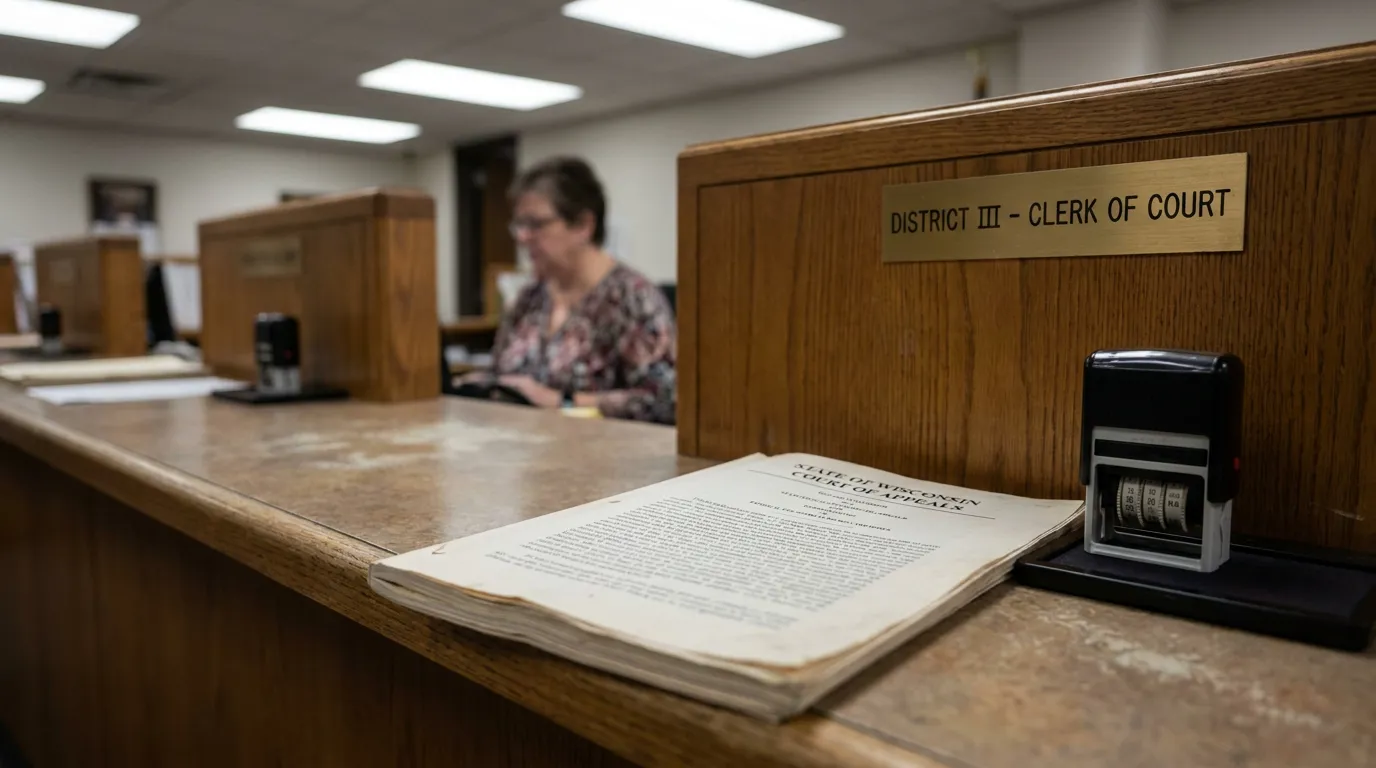
The Legal Roots of Wisconsin’s Direct Action Rule
Wisconsin’s direct action statute allows an injured person to recover directly against a negligence insurer, up to policy limits, even before liability is fixed by judgment against the insured. Under Wis. Stat. § 632.24, any bond or policy covering liability to others for negligence makes the insurer liable to those entitled to recover against the insured, regardless of whether that liability is presently established or contingent. You can review the full text of the Wisconsin direct action statute to see how broadly the legislature framed it.
The purpose behind the rule is practical. Wisconsin courts have explained that the direct action statute endeavors to save litigation and reduce expense by determining the rights of all parties in a single action, and to place the burden on the insurer to pay damages caused by the insured’s causal negligence. This protects successful plaintiffs from having to chase an insolvent defendant before reaching the insurer.
The controversy centers on a territorial limit courts read into the statute. In the Kenison ruling, the appeals court held that a direct action under Wis. Stat. § 632.24 was restricted by Wis. Stat. § 631.01 to insurers whose policies were delivered or issued in Wisconsin, meaning a plaintiff could not maintain a direct action at all against an out-of-state insurer. That restriction is the procedural hinge on which many claims now turn.
A Madison Crash Victim Caught in the Crossfire
Picture a Madison commuter rear-ended at a red light by a driver visiting from Illinois. The at-fault motorist carries a liability policy that was delivered and issued in Illinois, not Wisconsin, even though the collision happened on a Wisconsin road. The injured driver, focused on medical care and mounting bills, serves the insurer within the deadline but does not separately name the out-of-state motorist.
The facts of Finder track this hypothetical closely. On October 4, 2001, Carrie Finder was rear-ended in Wisconsin by Michael Alm, an Illinois resident whose American Heartland policy was delivered in Illinois. Finder timely served the insurer but not Alm, and after the limitations period ran, the trial court granted summary judgment to the insurer, which had argued the court lacked personal jurisdiction because its policy was not issued or delivered in Wisconsin.
Why the Kenison Ruling Is Under Fire
The appeals court did something unusual: it questioned its own precedent. In its certification, the court signaled that its holding in Kenison was likely wrongly decided, yet acknowledged it lacked authority to overrule published opinions. Under the doctrine from Cook v. Cook, only the Wisconsin Supreme Court can take that step. That is why the panel certified the issue upward.
The court’s reasoning cuts against a rigid joinder requirement. The panel observed that neither § 632.24 nor § 803.04(2)(a) expressly requires the insured to be named as a party in order to hold the insurer liable, so joinder of the insured is not necessarily mandatory. Forcing a plaintiff to sue the insured first in order to reach an out-of-state insurer would be in tension with the statute’s protective purpose. You can read the court’s appellate certification to see how it framed the tension.
A Supreme Court decision has since resolved the core question. In Casper v. American International South Insurance Co., 2011 WI 81, the Wisconsin Supreme Court rejected the Kenison territorial limitation, holding that § 632.24 applies to any policy covering liability, irrespective of whether it was delivered or issued for delivery in Wisconsin, so long as the accident, injury, or negligence occurred in this state. That decision effectively eliminated the out-of-state policy distinction that Kenison had imposed.
What the Certified Question Actually Asks
The certified issue is narrow but consequential. It asks whether Wis. Stat. § 632.24 subjects an insurance company to direct liability in Wisconsin for an insured’s negligent conduct in Wisconsin when the policy was not delivered or issued in Wisconsin. A yes answer would expand the practical reach of direct actions for crash victims. As it turned out, the Supreme Court in Casper answered this question in favor of injured plaintiffs.
What the Wisconsin Direct Action Statute 803.04 Means for Injured Drivers
For everyday crash victims, this news is about protecting your right to recover. The interplay between § 632.24 and the wisconsin direct action statute 803.04 determines whether you can sue an insurer directly or must first name the driver. Getting this wrong before the deadline can be fatal to a claim, as Finder illustrates.
Practical Steps After a Crash With an Out-of-State Driver
When the at-fault driver is from another state, documentation and party identification become critical. Consider these practical moves:
- Photograph the scene, vehicles, and visible injuries, and collect witness contact information.
- Request a copy of the crash report and preserve medical records tied to the collision.
- Identify the at-fault driver’s insurer and, where possible, where the policy was delivered.
- Track the applicable filing deadline and confirm which parties must be named.
- Speak with a lawyer before assuming you can serve only the insurer.
These steps support the core elements of any injury claim: negligence, causation, and damages. Medical records, witness statements, and accident reconstruction can help establish fault and the extent of harm. In many cases, an insurer’s adjuster will try to settle inexpensively and on terms favorable to the insurer.
Common Challenges With Out-of-State Policies
Out-of-state coverage introduces jurisdictional and procedural wrinkles that Wisconsin residents may not expect. While Casper confirmed that an insurer can face a direct action for a Wisconsin accident even when the policy was issued elsewhere, other procedural and coverage questions can still arise. Wisconsin’s minimum bodily injury requirements can cap a settlement even when injuries are severe. Understanding those limits early helps set realistic expectations.
Where Deadlines Fit In
Statutes of limitations demand attention because courts generally interpret exceptions narrowly. Wisconsin’s civil deadlines for personal injury claims are separate from any government administrative claim deadlines, and tolling or discovery-based extensions may apply only in limited circumstances. Because Finder shows how a lapsed period can end a case, prompt action is often essential. Minor claims may sometimes be resolved in small claims court, which in Wisconsin handles many tort and personal injury matters up to $5,000.
How Does This Impact Me?
What Does This Certification Mean for My Case?
It reflects a shift the Wisconsin Supreme Court has since confirmed. After Casper relaxed the Kenison limit, crash victims can generally pursue an insurer directly for a Wisconsin accident even when the policy was issued out of state, without first naming the driver. Because application still turns on your specific facts and timing, your best path depends on your case details.
Does This Change My Deadline to File?
The certification does not extend or shorten any filing deadline. Statutes of limitations continue to apply, and courts read tolling exceptions narrowly. You should confirm your deadline promptly rather than assume any extension applies.
Should I Sue the Driver, the Insurer, or Both?
That decision can be outcome-determinative, especially with an out-of-state policy. In many cases, naming both the driver and the insurer preserves options and protects against procedural pitfalls. A lawyer can help you weigh whether permissive joinder under § 803.04 protects your claim.
What If the Insurer Is Already Pressuring Me to Settle?
You are not obligated to accept an early offer. Adjusters may propose quick settlements that do not fully reflect medical bills, lost wages, or future care. Reviewing your claim before signing anything generally protects your interests.
Where Can I Learn More About My Rights?
Reliable public resources can help you understand the framework. The Wisconsin State Law Library maintains materials on tort and personal injury law that serve as an authoritative gateway to statutes and forms. For case-specific questions, a consultation is usually the better route.
Where This Leaves Wisconsin Crash Victims
The certification in Finder underscores how procedural details can decide whether an injured person recovers at all. The direct action statute was built to resolve rights efficiently and place the burden on insurers, yet the Kenison limit and the joinder requirement under § 803.04 once complicated that promise for crashes involving out-of-state policies. With Casper having rejected the Kenison territorial limitation, that barrier has largely fallen away, though the analysis remains fact-dependent. Crash victims who act promptly and name the right parties put themselves in the strongest position.
If your collision involved an out-of-state driver or insurer, informed guidance can make a meaningful difference. The team at Kent | Pincin helps injured people in Madison understand their options, and you can learn more from a trusted wisconsin direct action statute 803.04 lawyer about how these rules may apply to your situation. To discuss your case, call 608.999.4954 or contact us today to explore your next steps. Every case turns on its own facts, and this article is general information rather than individualized legal advice.