
What Is a Less Strenuous Position Transfer Under Government Code 12945?
Pregnancy Work Restrictions and Your Right to a Safer Job in California
Key Takeaways: A less strenuous position transfer under California Government Code § 12945 is a statutory right allowing pregnant employees to temporarily move into less physically demanding or less hazardous roles during pregnancy. Under § 12945(a)(3)(C), covered employers must grant such transfers when requested with physician’s advice and reasonably accommodated. This right is separate from the four-month pregnancy disability leave entitlement, and employees need not be totally unable to work, medical certification describing functional restrictions is required. Employers with five or more employees are covered, and existing policies of providing lighter duty to temporarily disabled workers strengthen a pregnant employee’s request. The right has limits: employers need not create new jobs, displace senior employees, or promote unqualified workers, though alternative accommodations may still be required. Claims often turn on documentation, timing, and how comparable employees were treated, making written requests and employer responses critical.
A less strenuous position transfer is a statutory right allowing pregnant employees to be temporarily moved into less physically demanding or less hazardous jobs during pregnancy. Under Cal. Gov. Code § 12945(a)(3)(C), it is unlawful for covered employers to refuse that temporary transfer when requested with physician’s advice and the transfer can be reasonably accommodated. It is distinct from the four-month leave entitlement, allowing employees to continue working rather than choosing between health and paycheck.
If you requested a safer assignment, provided medical documentation, and were demoted, sidelined, or terminated instead, the team at Kent | Pincin is prepared to review your documentation. Call (310) 424-4991 or request a case evaluation now to discuss what your emails, texts, and medical certifications may show.
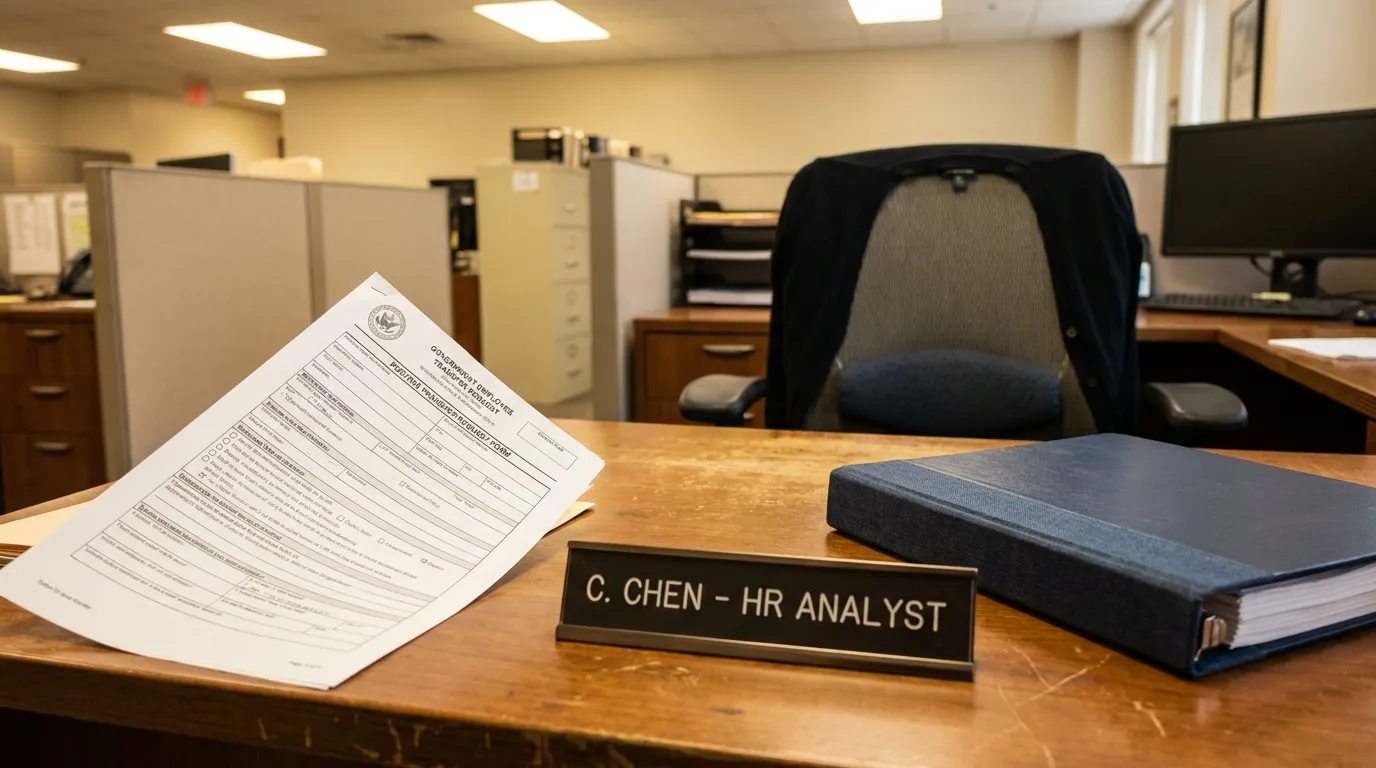
How Government Code 12945 Pregnancy Disability Leave and Transfers Work Together
Government Code § 12945 contains several related but independent protections that are commonly confused. The statute addresses pregnancy disability leave of up to four months when an employee is disabled by pregnancy, childbirth, or related conditions, and separately requires reasonable accommodation under § 12945(a)(3)(A) upon request with health care provider’s advice. Section 12945(a)(4) makes it unlawful to interfere with, restrain, or deny these rights.
A transfer request does not require total inability to work. Leave becomes relevant when a pregnant employee cannot perform essential job functions or cannot perform them without undue risk, while a transfer contemplates continued work in a modified role. This distinction matters because employers sometimes respond to transfer requests by pushing employees onto leave, potentially reducing income and supporting an interference claim. The regulations permit employers, in some circumstances, to require a transfer or leave instead of the specific accommodation requested.
The regulatory framework ties transfers to medical advisability rather than total incapacity. Cal. Code Regs. tit. 2, § 11035 implementing § 12945 recognizes that even lactation without medical complications may warrant a transfer to a less strenuous or hazardous position or reasonable accommodation. The same section defines pregnancy disability leave as leave taken when the employee is disabled by pregnancy, childbirth, or related conditions, up to four months.
| Right Under § 12945 | Trigger | General Scope |
|---|---|---|
| Less strenuous position transfer | Request plus physician’s advice; transfer can be reasonably accommodated | Temporary, for the duration of the pregnancy |
| Reasonable accommodation | Request with health care provider’s advice | Modifications for pregnancy-related conditions |
| Pregnancy disability leave | Disabled by pregnancy, childbirth, or related condition | Up to four months (calculated by the regulations as roughly 17 1/3 weeks for a full-time schedule) |
Who Is Covered by This Pregnancy Job Transfer Law
Coverage under California’s pregnancy protections reaches most private workplaces. Employers with five or more employees must provide pregnancy disability leave and accommodations under § 12945, which applies to employers covered by the Fair Employment and Housing Act. Cal. Gov. Code § 12926 defines "employer" as any person regularly employing five or more persons.
Medical Certification Is the Gateway
The statutory transfer right is triggered by a request made with physician’s advice, which requires medical certification. The implementing regulations define "medical certification" as a writing from the employee’s health care provider stating that transfer to a less strenuous or hazardous position or duties is medically advisable. Practical guidance from resources on taking pregnancy leave in California notes that where an employer requires certification for other disability leave, similar certification may be requested for pregnancy disability leave.
💡 Pro Tip: Ask your provider to describe functional restrictions, such as lifting or standing limits, rather than only a diagnosis. Specific restrictions make it harder for employers to claim they did not understand the request.
When an Existing Employer Policy Strengthens Your Position
If your employer already moves temporarily disabled employees into lighter roles, that benefit must extend to pregnancy. Section 12945(a)(3)(B) requires employers with policies, practices, or collective bargaining agreements requiring or authorizing the transfer of temporarily disabled employees to less strenuous or hazardous positions for the duration of the disability to make such transfers available to pregnant employees who request them, no physician’s advice is required under this specific subsection. The physician’s advice requirement applies under subsection (C), which separately obligates all covered employers to temporarily transfer a pregnant employee to a less strenuous or hazardous position when requested with physician’s advice and the transfer can be reasonably accommodated. Evidence that co-workers received modified duty after surgery or injury while a pregnant employee’s identical request was refused is often persuasive.
Limits on the Statutory Transfer Right
The transfer right is meaningful but not unlimited. Section 12945(a)(3) provides that no employer shall be required to create additional employment it would not otherwise have created, discharge any employee, transfer any employee with more seniority, or promote any unqualified employee. Whether a transfer "can be reasonably accommodated" depends on staffing, available vacancies, and business operations.
Common limitation issues include:
- No suitable vacant position exists at the time of request
- The proposed role would require displacing another employee
- The employee is not qualified for the position sought
- The requested change amounts to a new job the employer never needed
Even where a transfer is genuinely unavailable, the analysis does not end. California’s Fair Employment and Housing Act requires reasonable accommodation for pregnancy-related conditions, and one form may be additional time off. An employer that declines a transfer without exploring alternatives may face exposure, though employers are not required to provide accommodations imposing undue hardship.
How Transfers, PDL, and Family Leave Interact
Leave taken for pregnancy-related disability generally does not consume the separate California family and medical leave entitlement. Under Cal. Gov. Code § 12945.2, California Family Rights Act leave runs concurrently with federal FMLA leave, but pregnancy disability leave is not counted against CFRA entitlement, so eligible employees may take up to four months of pregnancy disability leave under § 12945 and then up to 12 workweeks of CFRA leave to bond with a new child. Federal FMLA leave may run concurrently with pregnancy disability leave.
Reinstatement After Leave or Reassignment
Job-position rights continue after pregnancy ends. Employers generally must return employees to the same position held before pregnancy disability leave or transfer, though reinstatement to a comparable position may be permissible in limited circumstances the regulations allow, such as where the original role was eliminated for legitimate business reasons unrelated to leave. If a temporary reassignment becomes permanent, or the returning employee is placed in a lesser role, scrutiny is warranted. For a broader look at claim viability, review whether you can sue for pregnancy discrimination in these circumstances.
Documenting a Denied Transfer Request
Documentation turns a frustrating experience into a provable claim. Verbal requests are often disputed later, while a short email confirming the request, medical restriction, and employer’s response creates a contemporaneous record. Long-tenured, high-earning employees with strong performance histories whose sudden negative reviews follow transfer requests stand out clearly.
💡 Pro Tip: Preserve copies of your requests and employer responses in a personal account before any employment change, since access to company email and internal systems is often cut off immediately.
Timing evidence carries real weight, though rarely sufficient alone. A demotion or termination shortly after a documented medical request may support an inference of retaliation, but employers typically offer performance or restructuring explanations, and courts weigh the entire record. Filing a complaint with the California Civil Rights Department is generally a prerequisite to a FEHA lawsuit. Current deadlines are three years from alleged unlawful conduct to file with the agency, and generally one year from the right-to-sue notice to file in court. Exceptions and tolling doctrines are interpreted narrowly and should never be assumed, so dates should be confirmed with counsel.
Frequently Asked Questions
1. Does my employer have to give me the exact position I ask for?
Generally no. The statutory transfer right applies where the transfer can be reasonably accommodated, and § 12945(a)(3) does not require employers to create new jobs, displace other workers, or promote unqualified employees. Employers may propose alternative accommodations through the interactive process.
2. How long can a temporary reassignment last?
Section 12945(a)(3)(C) frames the temporary transfer as being for the duration of pregnancy. Related conditions, including lactation, may support continued accommodation subject to medical documentation.
3. Do I have to be disabled to request a transfer?
Not in the sense of being unable to work. Being disabled by pregnancy triggers the four-month leave entitlement, while a transfer request requires only your health care provider’s advice that a less strenuous or hazardous position is medically advisable. You can review the statutory language governing pregnancy accommodation in California directly.
4. Can my pay be reduced if I transfer to a lighter role?
This is fact-dependent and may depend on employer policy, the position’s nature, and how the employer treats other temporarily disabled workers. The regulations do not guarantee identical pay in every case, but unexplained pay reductions tied to a pregnancy request warrant careful review.
5. What if HR ignored my request entirely?
Silence can be significant. Section 12945(a)(4) makes it unlawful to interfere with, restrain, or deny the exercise of these rights, and a documented request receiving no response may support a claim depending on surrounding facts.
Protecting Your Position and Your Career
A less strenuous position transfer under § 12945 lets employees keep working safely rather than being pushed onto leave or out the door. The right depends on a request supported by medical advice, an employer that can reasonably accommodate the change, and limits courts apply based on actual facts. Because outcomes turn on documentation, timing, and how comparable employees were treated, this article is general information rather than advice about your situation.
If a documented request for accommodation was met with a demotion, sudden performance write-up, or termination, a reasonable accommodation pregnancy lawyer at Kent | Pincin can evaluate the record. Reach Kent | Pincin’s team at (310) 424-4991 or start your confidential review today.