
Can a Dash Cam Help Prove Fault in a Madison Car Accident?
Yes, a dash cam can be critical evidence when proving fault after a car accident in Madison, Wisconsin. In a state where fault percentages directly determine compensation, objective video evidence may carry significant weight. Wisconsin’s modified comparative negligence system requires precise fault allocation between parties, and dash cam footage captures details that witness memories and police reports alone may not preserve. Whether you were rear-ended on East Washington Avenue or sideswiped on the Beltline, recording the crash can help establish what happened.
If you were injured in a Madison car crash and have dash cam footage that may support your claim, the team at Kent | Pincin is ready to help. Call 608.999.4954 or contact us online to discuss your next steps.
How Dash Cam Evidence Strengthens a Wisconsin Car Accident Claim
Dash cam footage provides an objective, real-time record of a collision that is difficult to dispute. Unlike eyewitness testimony, which can fade or shift over time, video captures the event as it unfolded. Insurance companies frequently challenge a claimant’s version of events, and clear recording makes it harder for adjusters to downplay the other driver’s negligence or shift blame onto you.
What a Dash Cam Can Capture at the Scene
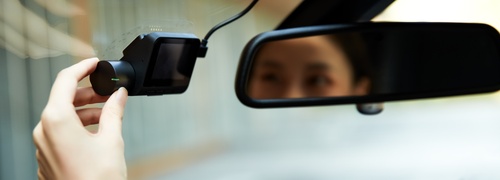
Modern dash cams record details directly relevant to car accident fault evidence. Common elements captured include:
- Traffic signal status and road signage at the moment of impact
- Speed and direction of all vehicles approaching the collision
- The other driver’s behavior, such as texting, sudden lane changes, or running a stop sign
- Road conditions, weather, and visibility
- Timestamps that create a verifiable timeline
These details help your legal team construct a clear narrative of how the accident occurred and who bears responsibility.
💡 Pro Tip: Many dash cams use loop recording that automatically overwrites older files. After a crash, power off the camera or remove the memory card immediately to prevent footage erasure.
Wisconsin’s Comparative Negligence Rules and Fault Percentages
Wisconsin follows a modified comparative negligence system under Wis. Stat. § 895.045, which governs how fault allocation affects recovery. Under this statute, contributory negligence does not bar recovery as long as the plaintiff’s negligence was not greater than the defendant’s. However, damages are reduced in proportion to the plaintiff’s share of fault. This means proving the other driver’s majority fault is central to maximizing compensation.
The 51% Fault Threshold and Joint Liability
The 51% threshold is a key dividing line in every Madison crash liability dispute. A party found 51% or more at fault faces joint and several liability for all damages, while those below 51% are only liable for their proportional share. This can mean the difference between recovering full compensation and receiving only a fraction of your losses. Dash cam footage showing the other driver running a red light, following too closely, or driving while distracted can help push fault attribution above that critical threshold.
💡 Pro Tip: Even if you contributed to the crash, don’t assume your claim is lost. Under Wisconsin law, you may recover damages as long as your negligence doesn’t exceed the other driver’s. An attorney can evaluate how fault percentages will be allocated based on available evidence.
How a Motor Vehicle Accident Attorney Wisconsin Evaluates Dash Cam Evidence
An attorney with extensive experience handling car accident claims understands how to integrate dash cam footage into a broader evidentiary strategy. Video evidence is most effective when combined with police reports, medical records, accident reconstruction analysis, and witness testimony. Paired with supporting materials, it tells a complete story of negligence, causation, and damages.
Measuring Each Party’s Negligence Separately
Under Wisconsin law, each plaintiff’s negligence is measured separately against each defendant’s negligence, making precise fault determination essential. The comparison is made on a per-defendant basis rather than in aggregate. In multi-vehicle crashes on Madison’s busy corridors, this individualized assessment can significantly affect each party’s financial exposure. Dash cam footage capturing the sequence of a chain-reaction collision may help distinguish which driver initiated the crash and which responded reasonably. This individualized fault comparison is one reason consulting a motor vehicle accident attorney Wisconsin is important for complex cases.
💡 Pro Tip: If your crash involved multiple vehicles, your dash cam may have recorded actions by other drivers you didn’t personally witness. Review the entire recording with your attorney before making statements to insurance companies.
Preserving Your Dash Cam Footage After a Madison Crash
Taking prompt steps to preserve your dash cam recording protects one of the strongest pieces of evidence in your case. Digital files are vulnerable to corruption, accidental deletion, and automatic overwriting. The table below outlines key actions to safeguard your footage:
| Step | Action | Why It Matters |
|---|---|---|
| 1 | Power off the dash cam or remove the SD card | Prevents loop recording from overwriting crash footage |
| 2 | Create multiple backup copies on separate devices | Protects against data corruption or hardware failure |
| 3 | Record the date, time, and location from file metadata | Establishes a verifiable timeline supporting your claim |
| 4 | Do not edit, crop, or alter the footage | Maintains the recording’s credibility and admissibility |
| 5 | Provide the original file to your attorney | Ensures your legal team can authenticate and present evidence |
Insurance adjusters and opposing counsel may challenge dash cam footage if there are edits, gaps, or questions about how the file was stored. Maintaining an unbroken chain of custody from the crash moment strengthens the recording’s evidentiary value.
Wisconsin’s Statute of Limitations for Car Accident Claims
Time limits apply to every Wisconsin car accident claim, and injured parties should act promptly to protect their rights. Under Wis. Stat. § 893.54, the statute of limitations for personal injury claims generally allows three years from the date of injury to file a lawsuit. Failing to meet this deadline can permanently bar your ability to seek compensation, regardless of evidence strength.
Wisconsin courts also recognize a discovery rule that may delay the start of the limitations period when injury is not immediately apparent. Under this principle, the statute begins to run when the plaintiff discovers, or with reasonable diligence should have discovered, the injury, its cause, and the identity of the responsible person. While dash cam footage could help establish this knowledge sooner by clearly identifying the at-fault driver, courts apply the discovery rule carefully and require plaintiffs to show reasonable diligence. Injured parties should not assume the deadline will automatically be extended.
💡 Pro Tip: Some injuries, such as concussions or soft tissue damage, may not reveal their full severity for days or weeks after a crash. Filing promptly helps preserve evidence and ensures you don’t risk missing the statutory deadline.
Building a Winning Strategy With Dash Cam Proof of Fault
A strong car accident case in Madison combines multiple types of evidence, and dash cam footage can serve as the foundation. An experienced Madison car accident attorney can analyze your recording alongside police reports, medical documentation, and traffic data to construct a compelling claim. During settlement negotiations, clear footage of the other driver’s negligence may motivate the insurer to offer fair resolution rather than risk a jury viewing the evidence.
Dash cam recordings are particularly useful in proving fault after car crash Madison intersection collisions, where disputes over traffic signals and right-of-way are common. The frequency of Madison intersection crashes underscores the importance of objective documentation. A recording capturing whether a light was green or red at impact can resolve what might otherwise become a credibility contest between drivers.
💡 Pro Tip: If witnesses mention they also have dash cam recordings, collect their contact information. Multiple angles of the same collision can reinforce your version of events and make it harder for the opposing party to dispute liability.
Frequently Asked Questions
1. Can dash cam footage be used as evidence in a Wisconsin car accident lawsuit?
In many cases, yes. Wisconsin courts generally allow dash cam recordings as evidence, provided the footage is authentic and unaltered. Your attorney can help ensure the recording meets necessary admissibility standards.
2. What happens if my dash cam only captured part of the accident?
Partial footage can still support your claim. Even if the camera didn’t record the exact moment of impact, video of the seconds before or after can help establish vehicle positions, speeds, and driving behavior relevant to proving fault.
3. Can I still recover damages if I was partly at fault for the crash?
Yes, in many situations. Under Wis. Stat. § 895.045, Wisconsin’s comparative negligence rule allows recovery as long as your fault doesn’t exceed the other driver’s. Your damages are reduced by your percentage of negligence. For example, if you’re found 20% at fault on a $100,000 claim, you could recover up to $80,000.
4. How long do I have to file a car accident lawsuit in Wisconsin?
Generally, three years from the date of injury. The statute of limitations under § 893.54 applies to most personal injury claims arising from motor vehicle accidents. Certain exceptions may apply in limited circumstances, but courts interpret these narrowly, so prompt action is important.
5. Should I give my dash cam footage to the other driver’s insurance company?
Proceed carefully before sharing evidence. Consult your attorney before providing recordings to the opposing insurer. Adjusters may interpret footage selectively or use it to shift fault onto you and minimize your claim.
Take Action to Protect Your Madison Car Accident Claim
Dash cam footage can be powerful when proving fault in a Madison car accident, but evidence is only as strong as the legal strategy behind it. Wisconsin’s comparative negligence system demands precise fault allocation, and the steps you take immediately after a crash, from preserving video to seeking legal guidance, can shape your case outcome. Whether your situation involves a single-vehicle collision or a complex multi-car crash, a motor vehicle accident attorney Wisconsin can help you navigate fault allocation and pursue full compensation.
The attorneys at Kent | Pincin are prepared to review your dash cam evidence and help you build a strong claim for the compensation you deserve. Call 608.999.4954 or reach out to schedule a consultation today.