
Can Redondo Beach Workers Sue After Being Fired for Off-Duty Cannabis Use?
Understanding Your Rights After a Cannabis-Related Firing in Redondo Beach
Key Takeaways: As of January 1, 2024, California’s AB 2188 amended the Fair Employment and Housing Act to make it generally unlawful for covered employers to fire or discriminate against workers based on off-duty cannabis use or drug tests detecting nonpsychoactive metabolites that only indicate past use. Redondo Beach workers can sue when a termination violates these protections, but success depends on whether use occurred off duty and away from work, the type of test involved, and the employee’s job classification. The law does not protect on-the-job impairment or bar employers from maintaining a drug-free workplace. Key exemptions apply to building and construction trades workers and positions requiring federal background investigations or security clearances. Because AB 2188 flows through FEHA, most claims must first be filed with the California Civil Rights Department, generally within three years. Prevailing workers may recover back pay, reinstatement, emotional distress and punitive damages, and attorney’s fees.
If you were let go from your job in Redondo Beach after using cannabis on your own time, you may have a legal claim. As of January 1, 2024, California law treats off-duty cannabis use as a protected activity for many workers, meaning a termination based solely on that use could be unlawful. Whether you can recover depends on the specific facts, your job classification, and the type of drug test used. This article explains how the new protections work, who is covered, and what steps a fired worker needs to take.
If you believe you were unlawfully fired for legal marijuana use, the team at Kent | Pincin is ready to review your situation. You can call us at (310) 424-4991 or reach out through our confidential contact form to discuss your options. Acting early helps preserve evidence and protect your deadlines.
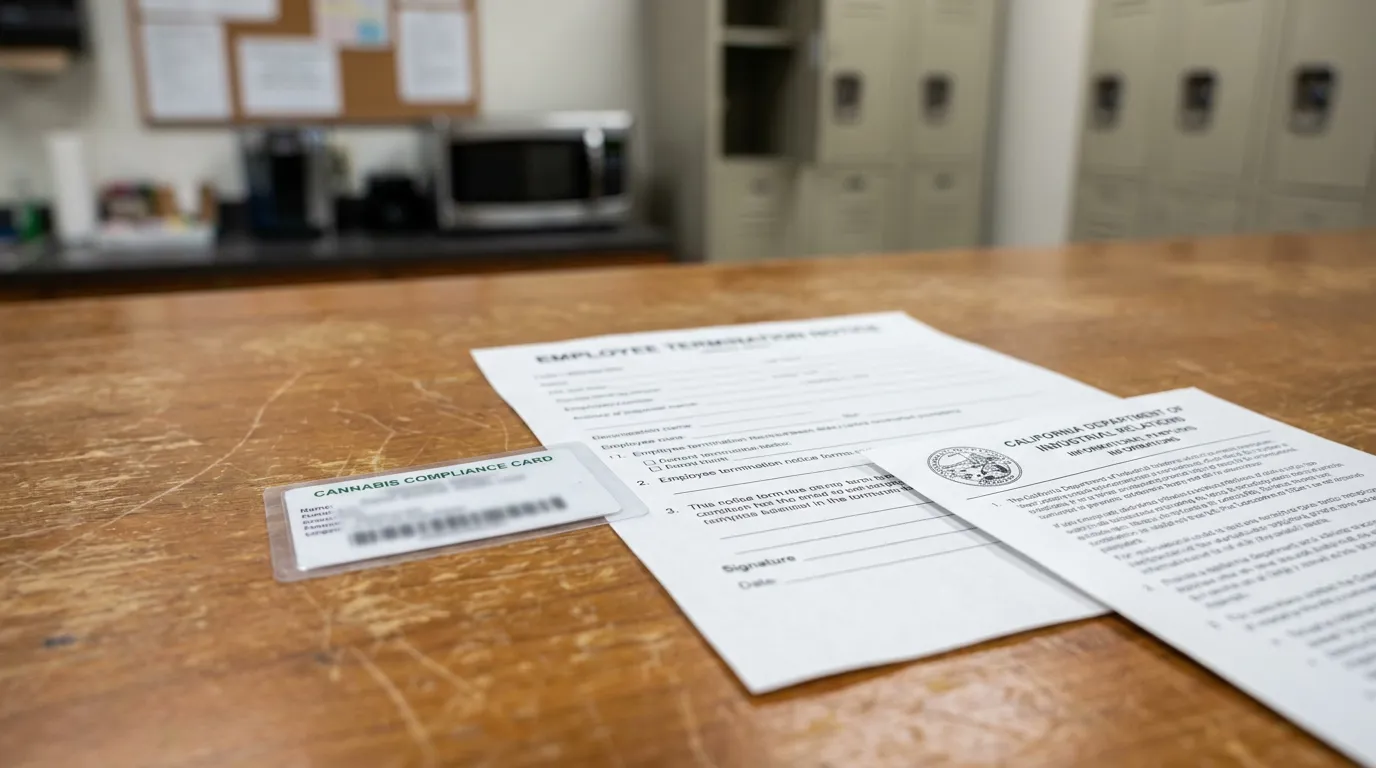
How AB 2188 Changed the Rules for California Employees
California’s Assembly Bill 2188 created a brand-new workplace protection tied to off-duty cannabis use. The Legislature passed AB 2188 as an act to add Section 12954 to the Government Code, folding these protections directly into the Fair Employment and Housing Act (FEHA). This is significant because FEHA prohibits discrimination based on race, sex, and disability, so cannabis use now sits alongside other protected characteristics for covered employees. A companion law, Senate Bill 700, took effect the same day and expanded Section 12954 to also bar employers from asking applicants about prior cannabis use.
The core protection makes certain adverse employment actions unlawful. Under Cal. Gov. Code § 12954(a)(1)-(2), it is generally unlawful for an employer to discriminate in hiring, termination, or any term or condition of employment based on a person’s use of cannabis off the job and away from the workplace, or based on an employer-required drug screening that found nonpsychoactive cannabis metabolites in the person’s hair, blood, urine, or other bodily fluids. You can review the full statutory language in the official AB 2188 bill text.
Why Metabolite Testing Matters
The distinction between metabolites and active impairment is central to many of these cases. The Legislature found that nonpsychoactive cannabis metabolites can remain in the body for weeks and only indicate past use, not current impairment. A firing based solely on a test detecting these lingering metabolites may be unlawful for a covered employee under Cal. Gov. Code § 12954.
💡 Pro Tip: If your employer relied on a hair or urine test, ask in writing what the test measured. Tests that flag inactive metabolites rather than active THC are most closely scrutinized under the new law.
Which Employers Are Covered
Not every workplace falls under these protections. Because FEHA’s general definition of employer applies, the rules generally cover employers who regularly employ five or more persons, including the state, political subdivisions, and cities, while nonprofit religious associations and corporations are excluded. A helpful overview of the operative date and covered employers appears in this analysis of the outside-of-work cannabis law from a California legal publisher.
Can I Sue for Being Fired California After Off-Duty Cannabis Use?
Yes, many Redondo Beach workers can sue for being fired in California when the termination violates AB 2188, but the answer depends on the facts. The threshold question is whether your cannabis use happened off duty and away from the workplace, and whether your employer’s decision was based on that use or a metabolite-detecting test. If both are true and no exemption applies, you may have a viable cannabis discrimination California claim.
It is equally important to understand what the law does not do. Under Cal. Gov. Code § 12954(b), the statute does not give employees a right to possess, use, or be impaired by cannabis on the job, and it does not affect an employer’s rights to maintain a drug- and alcohol-free workplace. A worker fired for on-the-job impairment would generally not be protected.
Employers also retain the right to act on scientifically valid tests that detect active THC. The law does not prohibit an employer from discriminating in hiring based on scientifically valid preemployment drug screening conducted through methods that do not screen for nonpsychoactive cannabis metabolites. This means a firing following a test that measured current impairment, rather than past use, is harder to challenge. The question of whether an employer can discipline you for off-duty conduct is nuanced, similar to issues we have explored when discussing whether workers can be fired for something you posted online.
💡 Pro Tip: Save every document connected to your termination, including the stated reason, drug test results, and any emails or texts. Contemporaneous records often become the strongest evidence of unlawful motive.
When the Law May Not Protect You: Key Exemptions
AB 2188 includes carve-outs that can defeat an otherwise strong claim. The protections do not apply to certain workers, and understanding these limits early can save time and frustration. Courts generally interpret exemptions based on the specific role and industry involved.
The most common exemptions include:
- Building and construction trades workers, who are expressly excluded from the cannabis-use protections.
- Applicants and employees in positions requiring a federal government background investigation or security clearance.
- Positions subject to federal or state controlled-substance testing tied to federal funding, licensing, or contracts, which the law does not preempt.
These exemptions reflect the balance the Legislature struck between employee rights and existing federal obligations. If your job touches federal safety or security requirements, an attorney can help assess whether an exemption applies to your position.
💡 Pro Tip: Do not assume you are exempt just because your employer says so. Job titles can be misleading, and whether an exemption applies is a fact-specific legal question worth reviewing with counsel.
Filing a Cannabis Discrimination Claim Through the CRD
Because AB 2188 amended FEHA, most cannabis-discrimination claims must begin with an administrative step. A worker alleging cannabis discrimination generally must first file a complaint with the California Civil Rights Department (CRD) before pursuing civil litigation. This administrative process is separate from a civil lawsuit and exists because FEHA empowers the CRD to investigate and prosecute complaints alleging unlawful practices under Cal. Gov. Code § 12960 et seq.
Timing is critical, and the deadlines are not automatic or unlimited. Reporting sources describe a three-year window from the date of the last discriminatory act to file with the CRD, and once the CRD issues a right-to-sue notice, a separate one-year deadline generally applies to filing a lawsuit. Courts and agencies interpret deadline exceptions such as tolling narrowly, so you should not count on an extension.
Potential Remedies If You Prevail
Successful FEHA claims can carry meaningful remedies, though outcomes depend on the facts. Depending on the circumstances, remedies may include back pay, front pay, reinstatement, compensatory damages for emotional distress, punitive damages (generally not available against public employers), and attorney’s fees. A knowledgeable Redondo Beach wrongful termination lawyer can help evaluate what a claim might realistically involve.
| Situation | Protection Generally Available? |
|---|---|
| Fired for off-duty use, metabolite test only | Often protected, subject to exemptions |
| Fired for on-the-job impairment | Generally not protected |
| Test detected active THC (current impairment) | Generally not protected |
| Building/construction trades worker | Exempt |
| Position requiring federal clearance | Exempt |
💡 Pro Tip: Track the exact date of your termination the moment it happens. Because filing windows run from that date, knowing it precisely helps ensure you do not miss a critical deadline.
Frequently Asked Questions
-
Does AB 2188 protect me if I failed a drug test at work?
It depends on what the test measured. If the test detected only nonpsychoactive metabolites indicating past use, Cal. Gov. Code § 12954 may protect you. If it showed active impairment on the job, the protection generally does not apply.
-
Can I sue for being fired California if I work in construction?
Generally no, because building and construction trades workers are exempt. AB 2188 expressly excludes these workers from its cannabis-use protections.
-
How long do I have to bring a cannabis discrimination California claim?
Reporting sources describe a three-year window to file with the CRD from the date of the last discriminatory act. These procedural rules under Cal. Gov. Code § 12960 et seq. are fact-sensitive, so prompt action is wise.
-
Do I have to go to the CRD before filing a lawsuit?
In most cases, yes. Because AB 2188 amended FEHA, a worker generally must file with the California Civil Rights Department before pursuing civil litigation.
-
What if my employer says I was impaired at work?
That defense can be significant, since the law does not protect on-the-job impairment. Under Cal. Gov. Code § 12954(b), employers may maintain a drug- and alcohol-free workplace, so evidence of actual impairment versus past use often becomes the central dispute.
Protecting Your Rights as a Redondo Beach Worker
AB 2188 gives many California employees a real path to challenge a firing tied to off-duty marijuana use, but the outcome always turns on the details. Whether you can recover depends on your job classification, the type of drug test involved, and whether any statutory exemption applies. Because the protections flow through FEHA, following the correct administrative steps and observing your deadlines is essential.
If you think you experienced wrongful termination in Redondo Beach for lawful cannabis use, the attorneys at Kent | Pincin are here to help you understand your options. Call (310) 424-4991 today or send us a message through our online case review request to take the first step toward protecting your rights.