
Does PDL Start on Day One of a Redondo Beach Job?
Why New Hires in Redondo Beach May Have Pregnancy Leave Rights Immediately
Key Takeaways: Yes, pregnancy disability leave (PDL) can begin on day one of a new job in Redondo Beach because California’s PDL statute, Government Code § 12945, sets no minimum tenure or hours-worked requirement. Eligibility depends on reasonable advance notice of medical need, a health care provider’s certification of pregnancy-related disability, and the employer having at least five employees. Covered employees may take up to four months of leave per pregnancy based on actual disability supported by medical certification. PDL is unpaid, but employees may use accrued paid leave or apply for State Disability Insurance if they meet wage-history requirements. PDL runs separately from CFRA and does not reduce the 12 weeks of CFRA leave available to employees who meet CFRA’s 12-month service and 1,250-hour conditions.
Yes, pregnancy disability leave (PDL) can begin on day one of a new job in Redondo Beach. California’s PDL statute under Government Code § 12945 does not impose a minimum length of employment or hours-worked threshold. Eligibility turns on whether a health care provider has advised that the employee is disabled by pregnancy, childbirth, or a related medical condition, and whether the employer meets the statutory size threshold.
If you were denied leave, demoted, or terminated after disclosing a pregnancy or requesting medical leave, the employment attorneys at Kent | Pincin can review the documentation and explain your options. Call (310) 424-4991 or contact us now to discuss what happened.
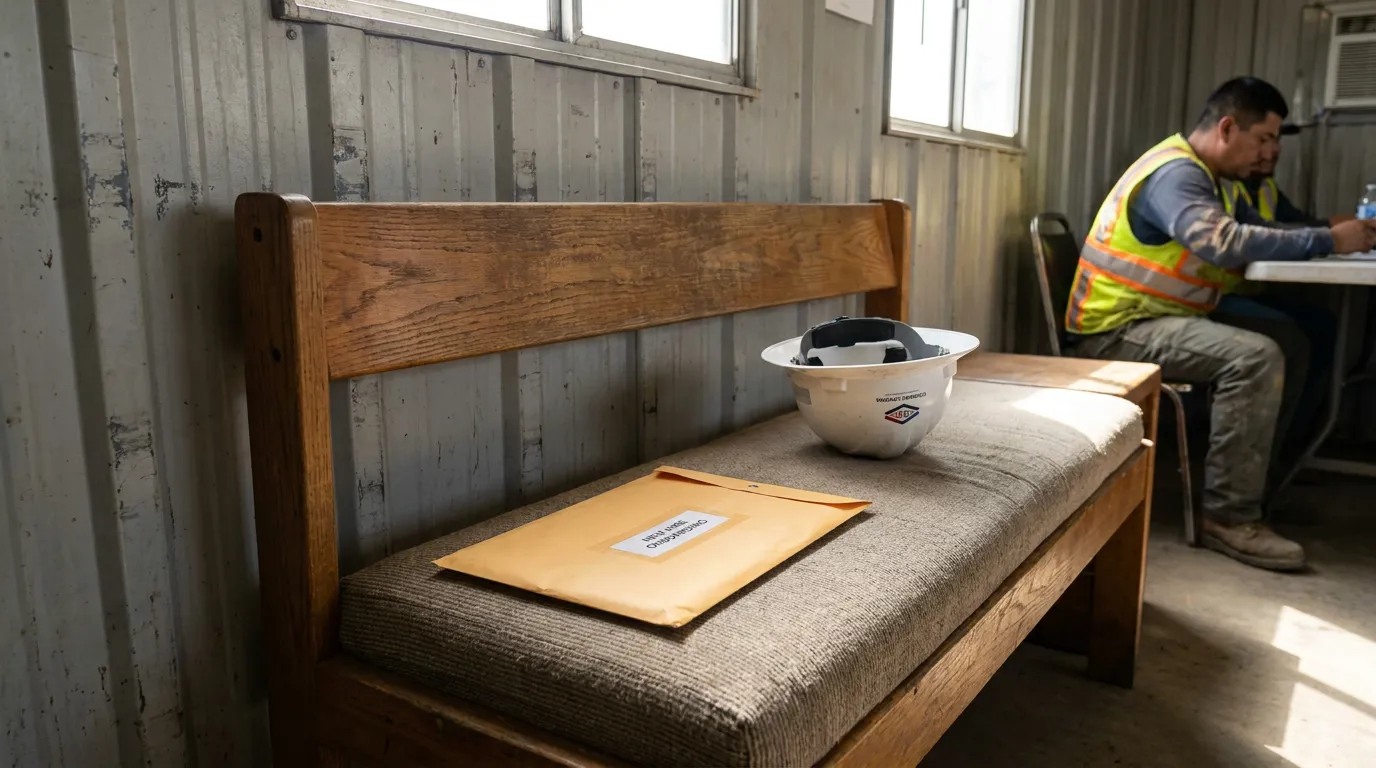
What the Law Requires for Pregnancy Disability Leave 4 Months California Employees Can Take
Eligible employees may take up to four months of leave per pregnancy for any period during which they are disabled by pregnancy, childbirth, or a related condition, including severe morning sickness, medically necessary bed rest, and recovery from childbirth. The governing regulation, 2 Cal. Code Regs. § 11042, defines four months by reference to the employee’s normal work schedule, roughly 17 1/3 weeks for full-time employees.
The four-month figure is a ceiling, not an automatic allotment. PDL is taken only for the time an employee is actually disabled, as supported by medical documentation. Employers may require written medical certification of the medical advisability of the leave per 2 CCR §§ 11049(a) and (b), and 11050(b). Leave may be taken intermittently or on a reduced schedule where medically advisable.
PDL is unpaid, but not unfunded. Employees may use accrued paid leave or apply for State Disability Insurance benefits during the leave period. SDI eligibility depends on wages earned in a statutory base period, so very new employees may not yet qualify. Coordination of benefits is fact-specific, so employees should confirm details in writing rather than relying on verbal assurances.
Which Employers Are Covered
California requires employers with at least five employees to provide leave for pregnancy-related disability. That five-employee threshold, not a 50-employee threshold, controls. For employees at large corporate employers in the South Bay, coverage is rarely disputed; the issue more often concerns whether the employer honored leave, accommodation, and reinstatement obligations.
Why There Is No Waiting Period Under PDL Eligibility Rules
The regulation conditions leave on medical need and notice, not tenure. It applies to an employee "who has provided the employer with reasonable advance notice of the medical need for the leave, and (2) whose health care provider has advised that the employee is disabled by pregnancy." Nothing references months of service, hours worked, or completion of a probationary period. This is why PDL has no minimum tenure or hours requirement.
A new hire should still expect an employer to request certification, and courts may consider whether the employee gave reasonable notice when advance notice was practicable; where the need is unforeseeable, notice as soon as practicable generally suffices.
💡 Pro Tip: Put your leave request in writing, even if you already told your supervisor verbally. A dated email creates the documentation that later matters most if an adverse action follows.
PDL vs CFRA Eligibility: Two Different Tracks
PDL and CFRA leave are separate entitlements with separate rules. The California Family Rights Act, codified at Government Code § 12945.2, applies to employers with five or more workers and provides up to 12 weeks of unpaid, job-protected leave over a 12-month period, but only to employees who have more than 12 months of service and at least 1,250 hours worked in the prior 12 months. PDL under § 12945 has no such tenure or hours condition. The statute makes the separation explicit: § 12945.2(p) provides that an employee "is entitled to take, in addition to the leave provided for under this section and the FMLA, the leave provided for in Section 12945, if the employee is otherwise qualified for that leave."
Because PDL runs on its own track, it is not aggregated into the 12-workweek CFRA cap. Pregnancy disability leave does not count against an employee’s CFRA entitlement. Once PDL ends, an employee who separately satisfies CFRA’s requirements may take an additional period of bonding leave.
| Feature | PDL (§ 12945) | CFRA (§ 12945.2) |
|---|---|---|
| Employer size | 5 or more employees | 5 or more employees |
| Minimum service | None stated in the regulation | More than 12 months of service and 1,250 hours worked |
| Maximum duration | Up to four months of disability leave | Up to 12 weeks per 12-month period |
| Purpose | Disability from pregnancy or childbirth | Bonding, family care, serious health conditions |
| Counts against the other? | Does not reduce CFRA leave | Separate entitlement |
This table summarizes general rules only; individual eligibility depends on specific facts and may be subject to exceptions.
The Bonding Leave Sequence
Sequencing is where many employers make costly mistakes. Once PDL is over, eligible employees can take up to an additional 12 weeks of parental or bonding leave, assuming CFRA’s eligibility conditions are satisfied. A brand-new employee may qualify for PDL immediately while not yet qualifying for bonding leave. Helpful background on how these state leave laws interact is available in this overview of California family and medical leave.
What Adverse Treatment After a Leave Request Can Look Like
Retaliation rarely announces itself. The pattern often looks like a sudden negative performance review after years of strong evaluations, exclusion from key accounts, a reorganization that eliminates only one position, or a termination that follows closely after a medical leave request. Timing alone is generally not enough, but courts may consider temporal proximity along with shifting employer explanations.
Common categories of evidence that often matter include:
- Emails or texts acknowledging the pregnancy or the leave request
- Performance reviews predating the disclosure
- Written denials, delays, or demands inconsistent with certification rules
- Notes of meetings where concerns were reported but not addressed
- Records showing how comparable employees were treated
Not every unfavorable decision is unlawful. Employers may still make legitimate business decisions during or after protected leave. The legal question in a FEHA discrimination claim is typically whether the pregnancy or disability was a substantial motivating factor, while an interference claim under PDL does not require proof of discriminatory motive.
💡 Pro Tip: Save copies of relevant messages and reviews to a personal account before any access is cut off, consistent with your employer’s lawful policies.
Practical Steps for a Pregnancy Disability Leave New Hire in California
Start with clarity about what you are requesting. Identifying the leave as pregnancy-related disability leave helps place the employer on notice of its statutory obligations. Provide certification promptly when properly requested, and keep a copy. Employees who suspect their rights were ignored may benefit from reviewing whether they can sue for pregnancy discrimination based on the surrounding circumstances.
Watch the deadlines. Claims under the Fair Employment and Housing Act generally require a timely administrative filing with the Civil Rights Department, currently within three years of the alleged unlawful conduct, before a civil action may proceed. A right-to-sue notice then generally starts a one-year window to file suit. Tolling and delayed-discovery arguments exist in limited circumstances, but courts interpret such exceptions narrowly. Because administrative claim deadlines and civil statutes of limitations operate differently, timing questions should be reviewed early with a pregnancy disability leave 4 months california lawyer.
When Legal Review Makes Sense
Certain fact patterns warrant prompt attention. These include a denial of leave outright, a refusal to reinstate to the same or a comparable position, pressure to resign during leave, or a termination that follows a disclosure of pregnancy. Each situation can involve overlapping protections under FEHA’s pregnancy leave and accommodation rules and disability discrimination law.
Frequently Asked Questions
1. Do I need to work a minimum number of hours to qualify for PDL?
No minimum hours requirement appears in the regulation. Eligibility depends on reasonable advance notice of the medical need and a health care provider’s advice that the employee is disabled by pregnancy.
2. Is pregnancy disability leave paid?
Employers are not required to provide paid pregnancy disability leave. Employees may use accrued paid leave or receive State Disability Insurance benefits, depending on their wage history and employer policy.
3. Does taking PDL reduce my bonding leave later?
No. Pregnancy disability leave does not count against an employee’s CFRA entitlement, so an employee who meets CFRA’s service and hours conditions may take bonding leave afterward.
4. Does my employer have to be large for PDL to apply?
California requires employers with at least five employees to provide leave for pregnancy-related disability. The controlling rule is available through this pregnancy disability leave regulation.
5. Can I be fired while on PDL?
Termination during protected leave is not automatically unlawful, but it invites scrutiny. Whether a discharge violates the law depends on the employer’s actual motivation and the evidence available.
The Bottom Line on Immediate Pregnancy Leave Rights
California’s approach to pregnancy disability leave is unusual in its accessibility. Because the regulation ties eligibility to medical need and notice rather than seniority, a new hire at a covered employer may have the same pregnancy leave rights as a coworker with decades of service. Up to four months of leave per pregnancy, no aggregation with the CFRA cap, and no stated waiting period make PDL a meaningful protection.
If a leave request was met with resistance, delay, or discipline, the team at Kent | Pincin is prepared to evaluate the record and discuss potential next steps. Reach the firm at (310) 424-4991 or schedule a consultation today.