
October 13 Dellona Plane Crash Killed 6: Wisconsin Wrongful Death Questions
Is a Wrongful Death Settlement Taxable After the Dellona Plane Crash?
Key Takeaways: The October 13 plane crash near Dellona in Sauk County killed six people, and the NTSB is leading the federal investigation. Wisconsin’s wrongful death statute lets the personal representative or the person entitled to recovery bring a claim, and the recovery goes first to a surviving spouse or domestic partner. Wisconsin law generally gives families three years to file. The shorter two-year deadline appears to apply only to motor vehicle crashes, but claims involving a government entity may have much shorter notice deadlines. There is no cap on financial losses, medical costs or funeral costs. Damages for loss of society and companionship are capped at $350,000 when the person who died was an adult and $500,000 when the person who died was a minor. A court must approve any settlement if the person who died left children under 18. Compensatory wrongful death damages are generally not taxable under federal law, but punitive damages and interest usually are, so families should get both legal and tax guidance.
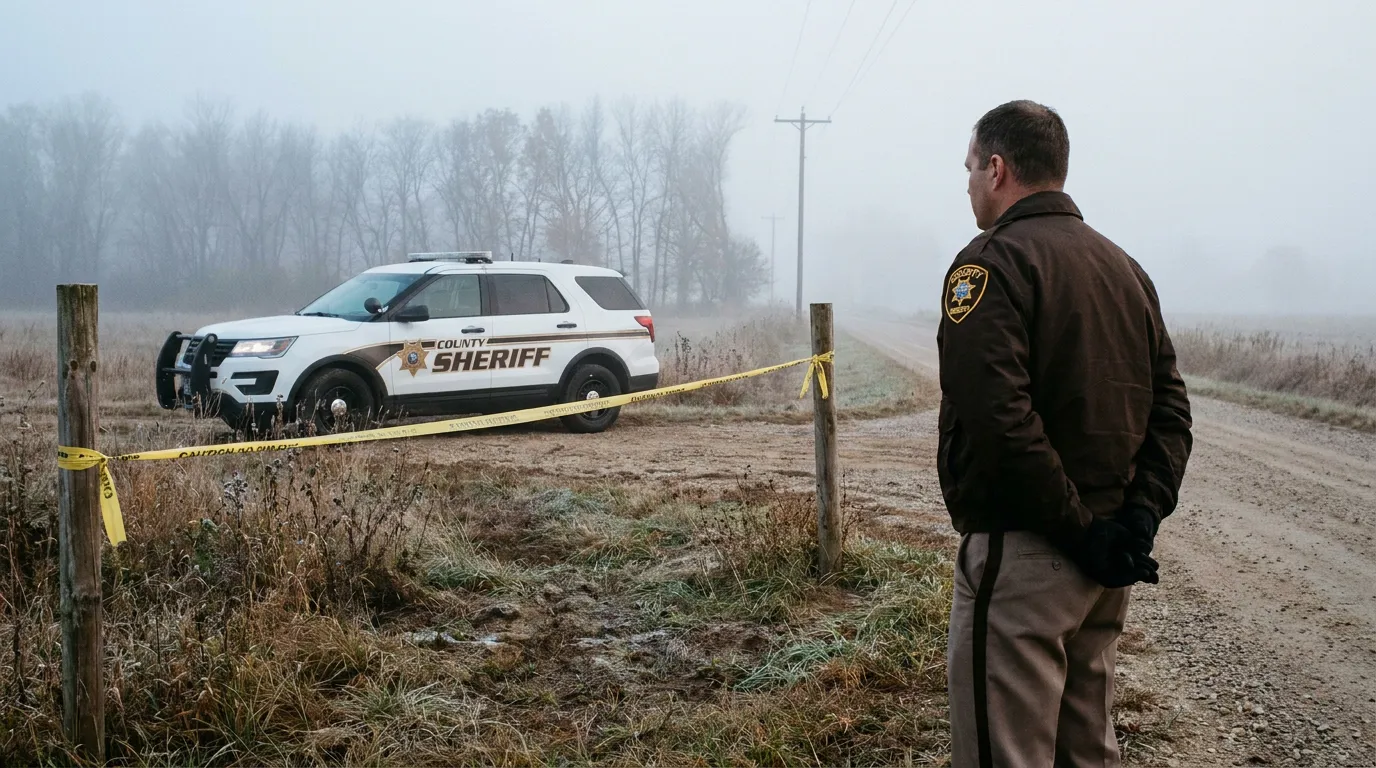
Six families across the region are grieving after a single-engine aircraft went down near Dellona in Sauk County on October 13, 2026. According to local reporting, six people were killed in the crash in a densely wooded area of the county, and the National Transportation Safety Board is leading the federal investigation. For families in Madison and surrounding communities, the questions start right away. Who may be responsible? How long do we have to act? And if a recovery happens, is a wrongful death settlement taxable?
What Wisconsin Law Says About Aviation Deaths
Wisconsin’s wrongful death statute gives families a civil remedy when a death results from another party’s "wrongful act, neglect or default." That language covers a wide range of conduct, including possible pilot negligence, faulty aircraft maintenance, or a defective part. The NTSB investigation looks at safety and probable cause, not legal liability. Under federal law, the NTSB’s final reports on probable cause cannot be used as evidence in a damages lawsuit. Some factual investigative material may still be usable, and the investigation can still influence how a claim develops.
Negligence-based claims generally require proof of four elements. The family must show a duty of care, a breach of that duty, causation, and damages. In aviation cases, the duty may belong to the pilot, an aircraft owner or operator, a maintenance provider, or a manufacturer. Claims against a manufacturer may also proceed on a product liability theory, which follows somewhat different rules. Proof often depends on flight data, maintenance logs, weather records, and wreckage analysis, which can take months to gather.
Who Can Bring the Claim
Under Wis. Stat. § 895.04(1), the personal representative of the deceased person’s estate may file the action, and so may the person entitled to the recovery. Wisconsin also sets an order of beneficiaries in § 895.04(2). The recovery first goes to a surviving spouse or domestic partner. If there is none, it goes to lineal heirs, and if there are none, to brothers and sisters. Families who want a fuller explanation can review our breakdown of Wisconsin wrongful death beneficiaries from an earlier crash analysis.
Protections for Minor Children
If the person who died left minor children, the statute adds safeguards. When the deceased left a surviving spouse or domestic partner and minor children who need support, a court may set aside up to 50 percent of the net recovery, after collection costs, for the children’s support. Any settlement in a case where the deceased left children under 18 is void unless a court of record approves it. That step adds time, but it protects the children’s interests.
A Madison Family Facing the Unthinkable
Consider a hypothetical Madison mother whose husband was a passenger on a small private flight that crashed in rural Wisconsin. She has two children, ages 9 and 14, and her husband earned most of the household income. Within weeks, an insurance representative offers a quick payment in exchange for a signed release. She is overwhelmed and unsure whether the offer covers lost income, funeral costs, or her children’s future.
In a situation like hers, Wisconsin law may offer several layers of protection. Because she has minor children, a court would need to approve any settlement before it becomes binding. She may also have claims for her husband’s lost financial support, which have no statutory cap, along with separate, capped damages for loss of society and companionship. Before signing anything, she would likely benefit from understanding the total value of the claim and how any money would be taxed.
Damages Available in Wisconsin Aviation Death Claims
Aviation death compensation in Wisconsin generally falls into a few categories. Each follows different rules, and some have statutory limits. The main categories include:
- Pecuniary loss: Lost financial support, services, and other monetary contributions the deceased would likely have provided. There is no statutory cap.
- Medical and funeral expenses: Under § 895.04(5), the personal representative may recover reasonable medical and funeral costs, including a cemetery lot, grave marker, coffin, and cremation urn.
- Loss of society and companionship: Capped at $350,000 per occurrence for a deceased adult and $500,000 per occurrence for a deceased minor. These damages may go to a spouse or domestic partner, children, or parents, and to siblings only if the deceased person was a minor.
The "per occurrence" language matters. The cap applies to each deceased person, and the family members entitled to these damages share that single amount. A separate survival claim on behalf of the estate may also exist in some cases, such as for conscious pain and suffering before death, depending on the facts.
Is a Wrongful Death Settlement Taxable Under Federal Law?
In many cases, compensatory damages received because of a death are not treated as taxable income. Internal Revenue Code § 104(a)(2) excludes from income damages, other than punitive damages, received on account of personal physical injuries or physical sickness, and wrongful death recoveries are generally treated as falling under that exclusion. Money for lost support, funeral costs, and loss of companionship is usually not taxable to the beneficiaries. However, this rule has important exceptions.
Portions That May Be Taxed
Some parts of a recovery may be taxable even when the core settlement is not. Punitive damages are generally taxable under federal law. A narrow exception in § 104(c) applies only in states whose wrongful death laws allow punitive damages alone, and Wisconsin is not one of them. Interest on a judgment or a delayed settlement is generally taxable income. How a settlement agreement allocates money among categories may also affect the tax result, so the wording of the agreement matters. Previously deducted medical expenses and state tax rules may also affect the outcome. Because the answer depends on the facts, families should consult a qualified tax professional along with their attorney.
Filing Deadlines After a Sauk County Fatal Plane Crash
Under Wis. Stat. § 893.54(1m)(b), a wrongful death action generally must be filed within three years, or it is barred. A shorter two-year deadline in § 893.54(2m) applies to wrongful death actions arising from motor vehicle accidents. Aviation deaths are not named in that exception, so the general three-year rule appears to apply to the Dellona crash. Families should still have a lawyer confirm this, because the facts, the parties involved, and the law of another state could change the deadline.
Injury claims by anyone hurt in the crash, including people on the ground, also generally carry a three-year deadline under § 893.54(1m)(a). Tolling or extensions do not apply automatically, and courts interpret exceptions narrowly. Claims against a Wisconsin government entity, such as an airport operated by a municipality or county, generally require a written notice of claim within 120 days under Wis. Stat. § 893.80, and damages may be capped. Claims against the federal government, such as those involving air traffic control, require an administrative claim within two years under the Federal Tort Claims Act. Waiting for the final NTSB report could put a family’s rights at risk, because those reports often take a year or more.
How Does This Impact Me?
Will We Owe Taxes on a Settlement From the Dellona Crash?
Compensatory wrongful death damages are generally not taxable under federal law, but exceptions exist. Punitive damages and interest are generally taxable. A tax professional can review how the settlement is allocated.
Do We Have Two Years or Three Years to File?
The general three-year deadline appears to apply because the two-year rule is limited to motor vehicle accidents. That depends on the facts, and claims against a government entity may have much shorter notice requirements. An attorney can confirm the deadline for your claim.
Can a Parent or Sibling Recover if the Victim Was Married?
Wisconsin gives the recovery first to a surviving spouse or domestic partner. Damages for loss of society and companionship are limited to a spouse or domestic partner, children, and parents, plus siblings only when the person who died was a minor. When there is a surviving spouse, a parent or sibling usually has a limited role, though it depends on the family structure.
What Should We Do Before the NTSB Finishes Its Investigation?
Families can generally take protective steps right away. These include preserving documents, keeping receipts for funeral and medical costs, and avoiding recorded statements to insurers. Talking with a Wisconsin aviation accident attorney early may help protect evidence that could otherwise be lost.
Protecting Your Family’s Rights After the Reedsburg-Area Tragedy
The Dellona crash raises urgent legal questions for every affected family. Wisconsin law provides uncapped recovery for financial losses, capped damages for loss of companionship, court protection for minor children, and a filing deadline that is generally three years, though government-related claims have much shorter notice requirements. Tax treatment, beneficiary order, and the NTSB investigation all affect what a family may receive. Outcomes depend on the specific facts, and early guidance can help families avoid costly mistakes. Those weighing their options can learn more from a Wisconsin aviation accident attorney familiar with these claims.
If you lost a loved one in the Sauk County crash or another fatal accident, you may have questions that a general article cannot answer. Kent | Pincin offers confidential consultations to help families understand their options under Wisconsin law. Call 608.999.4954 or contact us today to talk about your situation.