
Should Redondo Beach Workers File With the Labor Commissioner or in Court?
Two Paths to Justice: Understanding Your Retaliation Filing Options
Key Takeaways: Redondo Beach workers facing retaliation after reporting illegal conduct or asserting workplace rights have two options: filing with the California Labor Commissioner or pursuing a civil lawsuit. The administrative route is informal, accessible regardless of immigration status, and less intimidating. Civil court is more complex but may offer broader remedies and attorney’s fees under Labor Code Section 432.6. Both paths apply the same burden-shifting framework, where employers must prove by clear and convincing evidence they would have acted the same way absent the protected activity. The right choice depends on your priorities, evidence strength, and deadlines. Your refusal to waive either option is protected by statute, though courts have held the Federal Arbitration Act preempts this statute regarding mandatory arbitration agreements. Because outcomes turn on specific facts and timing, prompt legal evaluation is essential.
If you were demoted, disciplined, or fired in Redondo Beach after reporting illegal conduct or asserting workplace rights, you generally have two routes to challenge that retaliation: filing with the California Labor Commissioner or pursuing a civil lawsuit. Each path offers distinct advantages, timelines, and remedies depending on your situation.
Under California Labor Code Section 432.6, employers are prohibited from retaliating against employees who refuse to waive their right to file with a state agency or pursue civil action for Labor Code or California Fair Employment and Housing Act violations.
This article walks you through both options so you can make an informed decision.
If you believe you have experienced unlawful retaliation, the team at Kent | Pincin is ready to help. Call us at (310) 424-4991 or reach out through our contact page to discuss your circumstances. Acting promptly helps preserve both evidence and legal options.
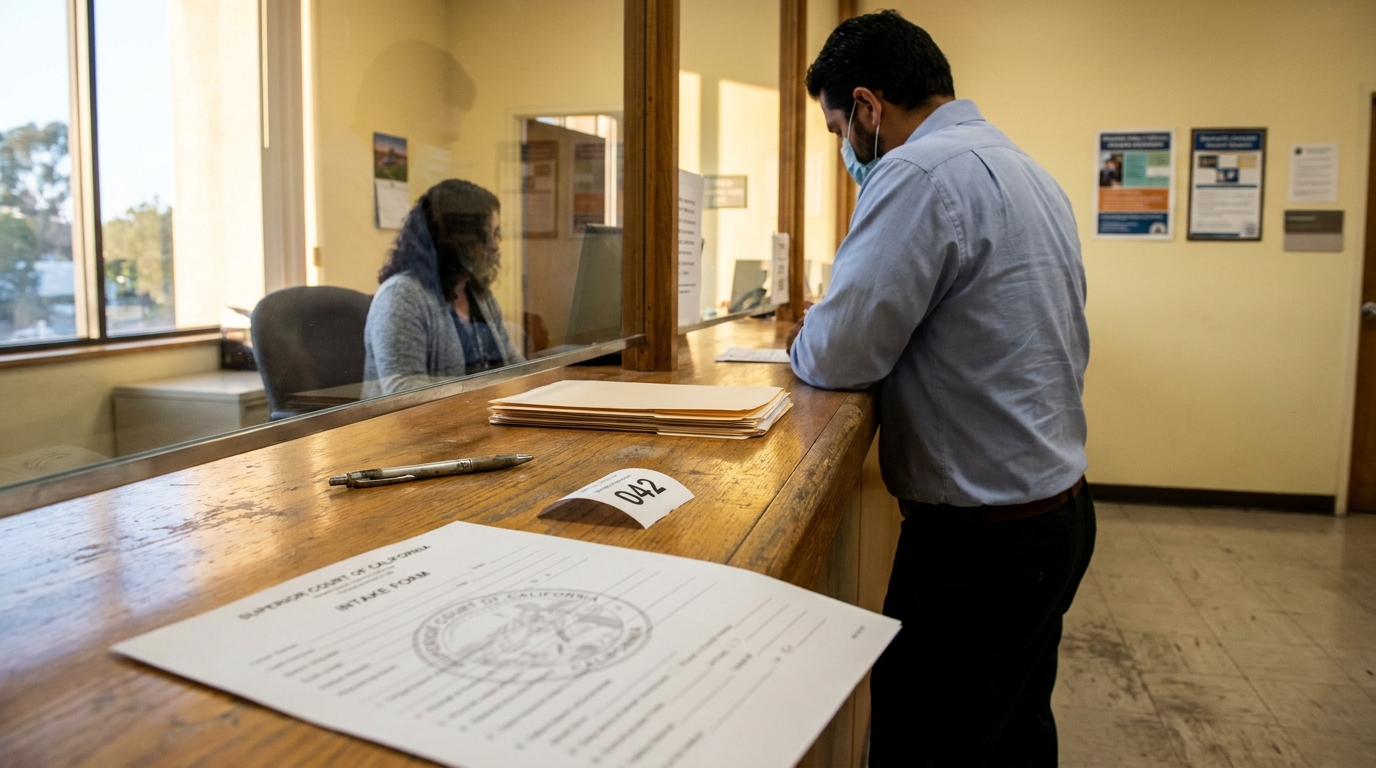
What California Labor Code 98.6 Retaliation Protections Cover
California Labor Code 98.6 retaliation protections shield employees who engage in legally protected activity from adverse employment actions taken because of that activity. Protected activity includes filing or threatening to file a complaint, testifying in a proceeding, or otherwise exercising Labor Code rights. The statute is enforced by the Labor Commissioner’s Office.
To prevail on a retaliation claim, an employee must establish three elements:
- Engagement in protected activity, such as reporting unlawful conduct or asserting statutory rights
- An adverse employment action, such as termination, demotion, or constructive discharge
- A causal connection linking the protected activity to the adverse action
California law offers overlapping protections. Whistleblower retaliation is addressed under Labor Code Section 1102.5, while contract and waiver protections fall under Section 432.6. You can review the full statutory framework governing these Labor Code retaliation provisions.
💡 Pro Tip: Write down dates, names, and descriptions of each event as soon as you suspect retaliation. Contemporaneous notes become valuable evidence when memories fade.
Filing With the Labor Commissioner: How the Administrative Route Works
The administrative route begins when you submit a report of labor law violation to the Labor Commissioner’s Office.
You can file online, in person, or by mail to the nearest Labor Commissioner’s office.
Find instructions to report a labor law violation through the Division of Labor Standards Enforcement.
A significant advantage is accessibility to all workers.
The Labor Commissioner’s Office will not question your immigration status or require a social security number or photo identification to file.
The Hearing Process Before a Hearing Officer
If a retaliation matter results in a citation that the employer appeals, or if the Retaliation Complaint Investigation Unit orders a hearing in a very limited number of cases, the matter proceeds to a hearing before a hearing officer.
The typical retaliation complaint process, however, involves an investigation followed by a determination letter or citation rather than an automatic adversarial hearing. When a hearing is held in the retaliation context, it is an informal, investigative proceeding rather than the legally binding, adversarial Berman-style wage claim hearing where both parties routinely testify under oath.
When a hearing is scheduled, attendance is important. If you do not attend, the proceeding may go forward without you; if your employer does not attend, the hearing officer may proceed based on the evidence available.
💡 Pro Tip: Bring organized copies of every relevant document, including performance reviews, emails, and termination notices. Hearing officers can only weigh evidence presented to them.
Taking Your Retaliation Claim to Civil Court
The civil court route allows you to pursue a retaliation lawsuit directly through the judicial system, often with broader remedies available. Civil litigation is more time-consuming and procedurally complex than administrative complaints, but may offer remedies administrative proceedings do not. The decision benefits from careful legal analysis.
When the Court May Award Attorney’s Fees
A notable consideration in civil litigation is the potential availability of attorney’s fees.
A court may award a prevailing plaintiff enforcing their rights under Labor Code Section 432.6 reasonable attorney’s fees.
This fee-shifting provision can influence whether pursuing civil action makes practical sense.
The Burden-Shifting Framework
California’s retaliation laws apply a burden-shifting framework that can work in an employee’s favor.
Once a preponderance of evidence demonstrates protected activity was a contributing factor in alleged retaliation, the burden shifts to the employer to demonstrate by clear and convincing evidence the action would have occurred for legitimate, independent reasons even if the employee had not engaged in protected disclosures.
This shifted burden applies to whistleblower and many Labor Code retaliation claims in both administrative and civil forums, though the precise standard can vary by claim type.
If you are weighing your options, understanding how to obtain an immediate right to sue in a Redondo Beach discrimination case can clarify procedural steps that sometimes precede civil litigation.
Labor Commissioner vs Court: Weighing Your Filing Options
Choosing between the Labor Commissioner and civil court depends on your priorities, evidence strength, and applicable deadlines. The table below summarizes general distinctions, though individual outcomes turn on specific facts.
| Consideration | Labor Commissioner | Civil Court |
|---|---|---|
| Setting | Informal hearing | Formal courtroom |
| Accessibility | Open regardless of immigration status | Open regardless of immigration status |
| Potential attorney’s fees | Limited | May be awarded under § 432.6(d) |
| Procedural complexity | Generally lower | Generally higher |
| Burden-shifting framework | Applies | Applies |
Your refusal to waive either option is itself protected by statute.
Labor Code Section 432.6 prohibits employers from requiring employees, as a condition of employment, to waive their right to choose between filing with the Labor Commissioner or going to civil court for retaliation claims. However, federal courts have held the Federal Arbitration Act preempts Section 432.6 as applied to arbitration agreements covered by the FAA, so a mandatory arbitration agreement governed by the FAA may still be enforceable even if required as a condition of employment.
These protections apply to contracts entered into, modified, or extended on or after January 1, 2020.
💡 Pro Tip: Review any arbitration agreement or onboarding paperwork you signed. Provisions forcing you to waive filing rights may be unenforceable under Labor Code Section 432.6.
Special Rules for University Employees and Filing Deadlines
California State University and University of California employees in or near Redondo Beach face a distinct procedural path for whistleblower retaliation.
These employees must first file a written internal complaint with the designated university officer before pursuing civil court damages. An employee may proceed to civil court once the university has rejected the complaint or failed to reach a decision within its established time limits; the statute also preserves the right to seek a remedy if the university has not satisfactorily addressed the complaint within 18 months. Punitive damages are available in civil court where retaliation is proven malicious.
Deadlines deserve close attention. For protected disclosure retaliation in this context,
the complaint must be filed within 12 months of the most recent act of reprisal.
Administrative claim deadlines and civil statutes of limitations are separate frameworks, and missing one may not preserve the other.
If your situation involves potential retaliation, working with a California labor code 98.6 retaliation lawyer can help you identify which deadline governs and how to protect your rights.
💡 Pro Tip: Do not wait until deadlines approach to seek guidance. Some claims involve multiple potential filing windows, and early review can prevent inadvertent forfeiture of rights.
Frequently Asked Questions
- Can I file both with the Labor Commissioner and in civil court?
Are administrative and civil claims mutually exclusive?
Not necessarily, but the interplay is fact-specific. The choice of forum depends on claim type, remedies sought, and applicable deadlines.
- Does my immigration status affect my ability to file a retaliation claim?
Are undocumented workers protected?
No, your status should not bar you.
California’s labor laws protect all workers regardless of immigration status.
- What must I prove to win a retaliation claim?
What are the core elements?
You must show protected activity, an adverse action, and a causal link. Once you meet your initial burden, the employer must prove by clear and convincing evidence it would have acted the same way regardless of your protected activity.
- How long do I have to file a retaliation complaint?
What deadline applies?
It depends on claim type and forum. For certain protected disclosure reprisals, complaints must be filed within 12 months of the most recent retaliatory act, but other claims carry different deadlines courts apply strictly.
- Can my employer force me to arbitrate instead of filing a complaint?
Are mandatory waivers enforceable?
It depends. Labor Code Section 432.6 generally prohibits employers from requiring employees to waive their right to file with a state agency or in court as a condition of employment. However, federal courts have held the Federal Arbitration Act preempts Section 432.6 as applied to arbitration agreements governed by the FAA, so signed arbitration agreements may still be enforceable. Have any arbitration agreement reviewed by counsel.
Protecting Your Rights After Retaliation in Redondo Beach
Deciding whether to file with the Labor Commissioner or in civil court is a significant choice that shapes the timeline, procedure, and potential remedies of your retaliation claim. The administrative route offers an accessible, informal process open to all workers, while civil court may provide broader remedies and attorney’s fees under Labor Code Section 432.6. Because both paths apply the same burden-shifting framework and outcomes depend heavily on specific facts and deadlines, careful evaluation is essential before you act.
If you suspect you have faced workplace retaliation in Redondo Beach, the attorneys at Kent | Pincin are prepared to review your situation and explain your filing options. Call (310) 424-4991 today or send us a message online to take the first step toward protecting your employee rights in California.