
What a Tow-Away or Airbag Deployment Triggers in Federal AV Crash Reporting
How a Single Tow Truck Call Can Put Your Crash on a Federal Radar
Key Takeaways: Under NHTSA’s Standing General Order, a tow-away or airbag deployment in a crash involving an automated driving system or Level 2 driver-assist vehicle can obligate the manufacturer or operator to notify federal regulators within five days of receiving notice under the third amendment effective June 16, 2025. The reporting duty attaches on notice of alleged facts, not verified ones, so early federal reports can be incomplete or redacted. The federal threshold captures property damage, though the current version includes a property damage threshold for less severe ADS crashes. Researchers treat airbag deployment as a reliable severity marker but caution against relying on tow-away alone, since an automated vehicle may be towed for logistics or sensor concerns rather than severe damage. A federal filing does not establish fault, extend your Wisconsin filing deadlines, or compensate you.
When an automated vehicle is involved in a collision and any vehicle gets towed or an airbag deploys, that fact alone can trigger a federal reporting obligation for the company behind the technology. Under NHTSA’s Standing General Order, the operator or manufacturer generally must notify the agency within days, often before you have spoken to an insurance adjuster. For an injured driver, passenger, pedestrian, or cyclist in Madison, that federal paper trail can mark a significant event.
If you were hurt in a crash involving a self-driving or driver-assist vehicle, Kent | Pincin can help you understand what data may exist and what must be preserved. Call 608.999.4954 or contact us now to discuss your situation.
What the Federal Order Actually Requires
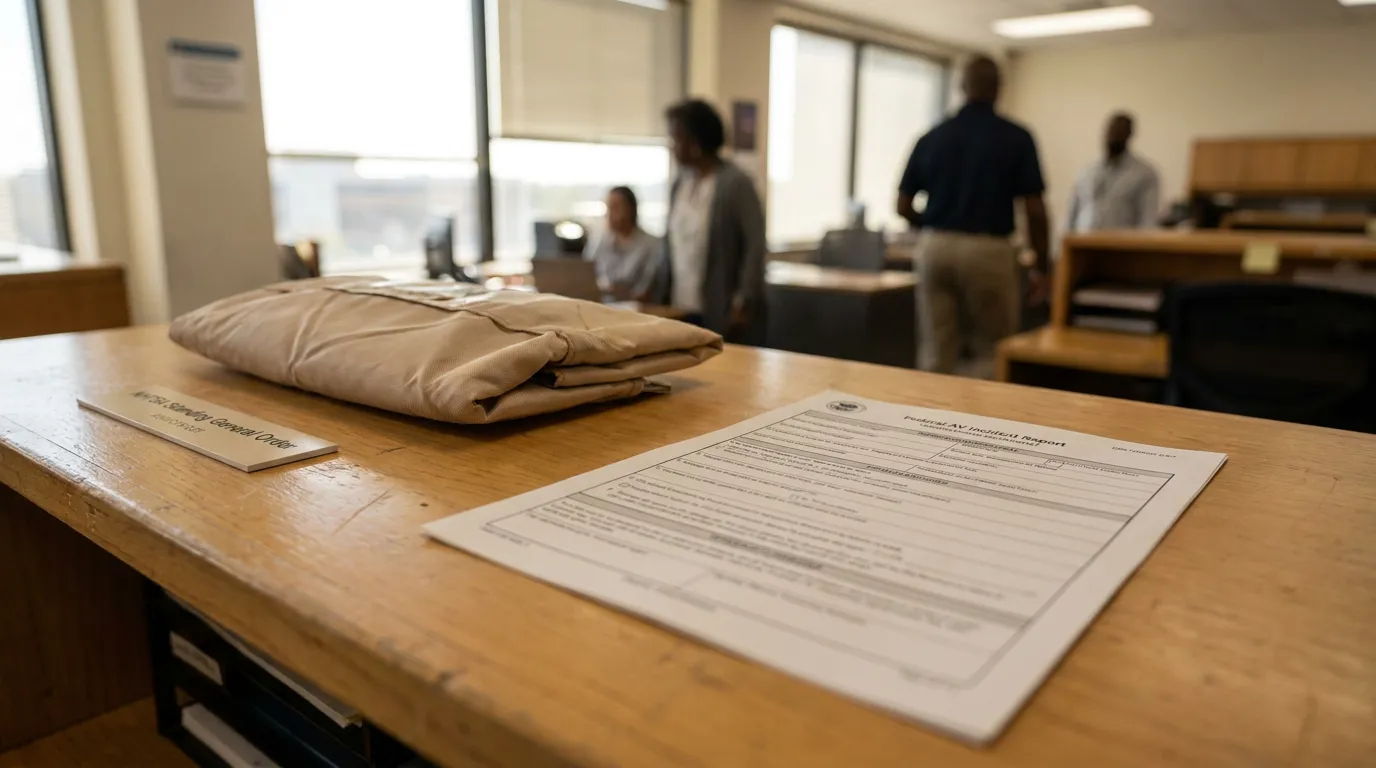
The Standing General Order is an agency directive issued under NHTSA’s information-gathering authority, operating as a mandatory data-collection tool. NHTSA’s order requires identified manufacturers and operators to report certain crashes involving vehicles equipped with automated driving systems or SAE Level 2 advanced driver assistance systems, giving the agency timely visibility into real-world collisions. This structure allows regulators to spot patterns and open investigations rather than waiting for litigation to surface problems.
The triggers are incident-based rather than discretionary. For a vehicle running an automated driving system, a crash is generally reportable if the ADS was engaged at any time within 30 seconds of the crash. The most severe outcomes, a fatality, a struck vulnerable road user, an airbag deployment, a tow-away, or hospital transport, are due within five days, while less severe crashes are reported monthly. You can review the agency’s published SGO crash reporting criteria to see how those categories are framed.
The 30-Second Engagement Window
That 30-second window matters more than most people expect. A system that disengages moments before impact can still fall within the reporting criteria, which is why a "the human was driving" narrative should not be accepted at face value. Whether the system was actually engaged is a fact question that depends on vehicle logs rather than statements made at the scene.
ADS Versus Level 2 Driver Assistance
The trigger set is narrower for Level 2 systems than for fully automated ones. For Level 2 ADAS vehicles, a crash is generally reportable if the system was in use within 30 seconds and the crash involved a vulnerable road user being struck or resulted in a fatality, an airbag deployment, or hospital transport; a tow-away alone is not a Level 2 trigger. This distinction can affect what records exist, so identifying the automation level early is important.
Why the NHTSA Standing General Order Crash Reporting Threshold Is So Low
The federal threshold for automated driving systems is dramatically lower than what state police reporting typically captures. Research analyzing this data notes the order requires ADS developers to report physical impacts resulting or allegedly resulting in property damage, injury, or fatality, though the third amendment effective June 16, 2025 added a property damage threshold for less severe ADS crashes. Minor contact can still be reportable under the federal scheme even when no police report would be generated, depending on the severity category.
State thresholds, by contrast, vary widely and often exclude smaller collisions. One study of AV crash benchmarking reports that California and Arizona use roughly $1,000 and $300 damage thresholds respectively, while states like Pennsylvania tie reporting to whether a vehicle was towed. Wisconsin has its own police-reporting requirements, and the mismatch between state and federal standards explains why federal AV data can include events that never entered a state database.
| Reporting Feature | Federal SGO (ADS) | Typical State Police Reporting |
|---|---|---|
| Damage threshold | Property damage (with threshold for less severe crashes under current order) | Dollar threshold or tow-away |
| Trigger examples | Tow-away, airbag, hospital transport, VRU strike | Injury, death, damage over set amount |
| Publication timing | Published monthly | Often months to years later |
What Tow-Away and Airbag Deployment Signal About Severity
These two triggers function as recognized crash severity thresholds. Researchers studying AV safety define a tow-away crash as one where any involved vehicle was towed from the scene, and an airbag-deployment crash as one where any involved vehicle had an airbag deploy. Because those definitions can be matched across human police-reported data and federal AV data, they serve as reliable comparison points.
Higher-severity triggers are generally more trustworthy for analysis. Safety researchers note that airbag deployment, suspected serious injury or worse, and fatal crash rates have greatly reduced underreporting concerns. If your case involves an airbag deployment, you are working in the part of the data landscape least distorted by missing reports.
Tow-away, however, comes with a real caveat. Researchers advise against relying on tow-away as a benchmark, explaining that ADS-equipped vehicles may sustain only minor damage yet still require a tow for reasons such as logistics or compromised sensors. A tow does not automatically prove a violent impact, and any argument built on it should be paired with actual crash data.
💡 Pro Tip: Ask early whether the automated vehicle was towed and where it was taken. Storage facilities and repair vendors sometimes hold physical evidence, including damaged sensor housings, longer than expected.
Reporting Deadlines and What They Mean for Your Timeline
Federal reporting deadlines are short. The third amendment to SGO 2021-01, effective June 16, 2025, requires incidents involving a fatality, hospital-treated injury, struck vulnerable road user, airbag deployment, or vehicle tow-away to be reported within five days of the company receiving notice of the crash.
The duty attaches on notice, not on confirmation. Under the order’s terms, an entity must report when it has notice of facts or alleged facts sufficient to meet a reporting criterion, regardless of whether the manufacturer has verified those facts. Early federal reports may contain incomplete, redacted, or unverified information and should be treated as a starting point rather than a settled account.
Federal Reporting Is Not a Substitute for Your Own Investigation
A federal filing is an administrative obligation and is entirely separate from any civil claim you may bring. Nothing in the reporting process extends your legal deadlines, decides fault, or compensates you. Wisconsin’s civil statutes of limitations for personal injury and product liability claims run on their own schedule; while exceptions like discovery-based accrual exist in limited circumstances, courts generally construe them narrowly. Confirm your deadline with a lawyer rather than assuming one.
Turning Reported Data Into Evidence in a Wisconsin Claim
Federal reports are useful, but the underlying technical evidence drives a product liability case. Proving a design defect, manufacturing defect, or failure to warn under Wisconsin’s product liability standards depends on event data recorder output, sensor and camera logs, software update histories, and internal testing records, supported by qualified engineering testimony. Determining who is liable when a self-driving car causes a crash often requires sorting among the manufacturer, the software developer, the fleet operator, and any human behind the wheel.
Practical steps to protect that evidence:
- Send preservation demands promptly to the manufacturer, operator, and any tow or storage facility
- Photograph the vehicles, roadway, and visible sensor hardware before repairs
- Obtain the Wisconsin crash report and note whether a tow or airbag deployment was recorded
- Document medical treatment, including any hospital transport from the scene
- Avoid recorded statements to insurers before understanding the technical facts
Timing pressure is real because AV data is reported quickly but published slowly. Information from five-day and monthly reports is made available monthly, while state police-report databases are typically published several months to years after the calendar year ends. Waiting for public records is rarely a sound strategy.
💡 Pro Tip: If an airbag deployed, ask whether the vehicle’s crash data was downloaded and by whom. Chain of custody questions can become significant later.
Frequently Asked Questions
1. Does a federal report mean the AV company admitted fault?
No. Reporting is triggered by notice of facts meeting a criterion, and the order applies regardless of whether the manufacturer has verified those facts. Fault is a separate legal question decided under Wisconsin law.
2. What if my crash involved only minor damage and no tow?
It may still be reportable. The federal threshold for automated driving systems reaches physical impacts resulting or allegedly resulting in property damage, though the current order includes a property damage threshold for less severe ADS crashes; such crashes are reported monthly.
3. I was a pedestrian struck by a robotaxi. Does that change anything?
Yes. A struck vulnerable road user is its own listed trigger under the federal order and falls in the expedited reporting category. Pedestrian and cyclist claims often involve distinct sensor-perception issues.
4. Can I get the federal report about my own crash?
Portions of reported data are published publicly, though entries are frequently redacted because NHTSA cannot disclose personal information or confidential business information. Obtaining underlying detail generally requires formal discovery in a civil case.
5. How soon should I act after a Madison AV collision?
As soon as practical. Digital evidence can be overwritten, vehicles get repaired, and legal deadlines apply. A nhtsa standing general order crash reporting lawyer can help identify what must be preserved immediately.
The Bigger Picture for Injured People
A tow-away or airbag deployment does more than describe damage. Under the nhtsa standing general order crash reporting framework, either one can obligate a covered company behind the automated system to notify federal regulators within five days of notice, creating an early record that a significant event occurred. Those triggers also serve as meaningful severity markers that researchers use, subject to real limitations in the tow-away category. Still, federal reporting is only a signal, not proof of liability. Outcomes depend on the specific facts, the available technical evidence, and applicable Wisconsin law.
If an automated or driver-assist vehicle injured you or someone in your family, the window to secure sensor logs and vehicle data can close quickly. Reach out to Kent | Pincin at 608.999.4954 or schedule a consultation today to discuss your options.