
Can an Employer in Redondo Beach Fire Someone for a Tweet?
When a Tweet Costs You Your Job: Social Media Firings in Redondo Beach
If you live in Redondo Beach and your employer just fired you over something you posted online, you are not alone, and you may have legal options. California is an at-will employment state, meaning employers can generally terminate workers for any lawful reason. However, "any lawful reason" does not mean "every reason." When a firing violates California statutes, public policy, or anti-discrimination protections, it may constitute wrongful termination. Understanding where the law draws the line could make a significant difference in your situation.
If you believe you were fired for social media posts and need guidance, Kent | Pincin can help. Call (310) 424-4991 or reach out online to discuss your case.
California Labor Code 980 and Your Employee Social Media Rights
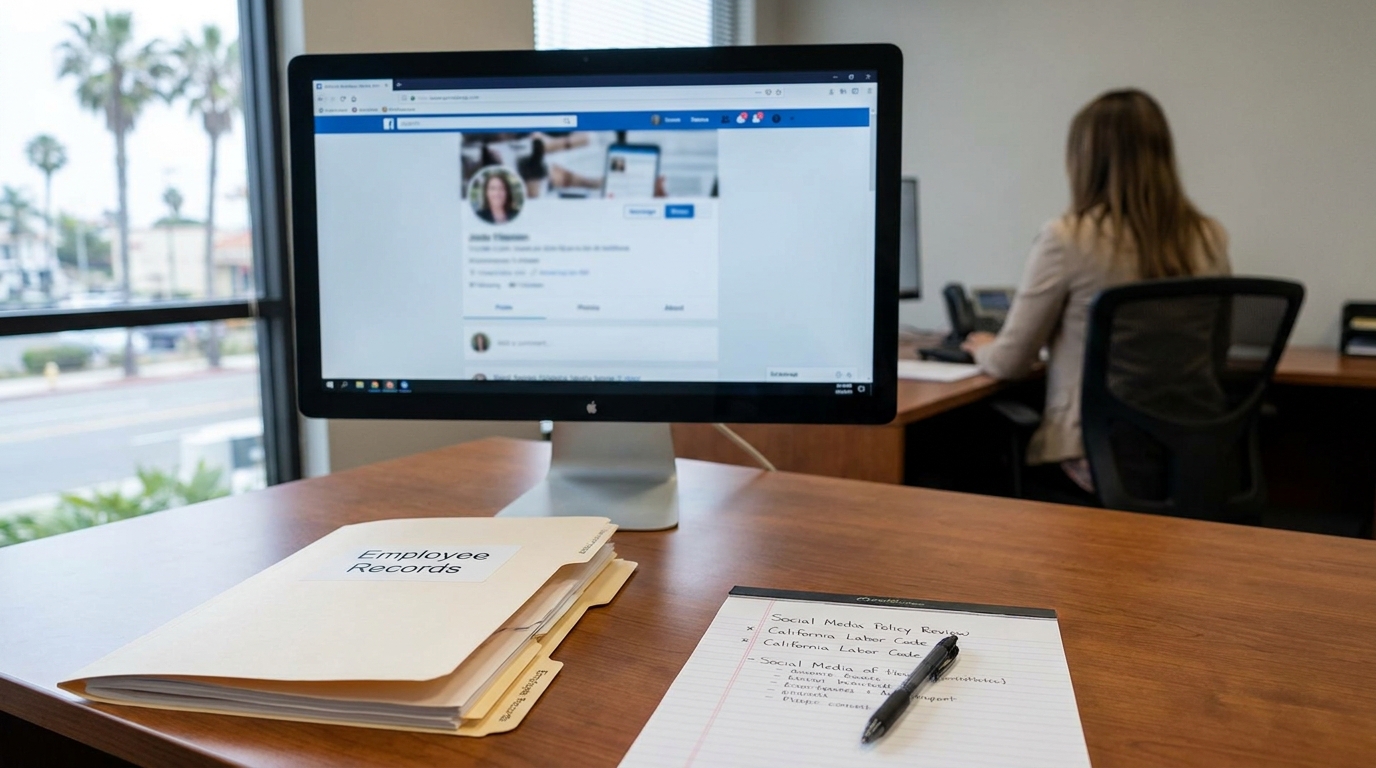
California Labor Code § 980 protects employees from employer overreach into their personal social media accounts. Under this law, an employer cannot require you to disclose usernames or passwords for accessing personal social media, access your accounts in the employer’s presence, or divulge personal social media content. The statute defines "social media" broadly to include electronic services, accounts, and content such as videos, photographs, blogs, podcasts, messages, email, and online accounts.
Your employer in Redondo Beach generally cannot demand your Twitter/X login credentials or insist you pull up your Instagram feed during a meeting. California Labor Code § 980(e) prohibits employers from discharging, disciplining, threatening, or retaliating against employees who refuse such requests. If your employer fired you for refusing to hand over social media passwords, that termination may violate California law.
💡 Pro Tip: Document every instance where your employer asked for social media access. Save emails, text messages, and written requests. This evidence can be critical if you need to show your termination was connected to your refusal.
The Investigation Exception Under § 980(c)
California Labor Code § 980 contains limited exceptions. Under § 980(c), an employer may request that an employee divulge personal social media content reasonably believed to be relevant to an investigation of allegations of employee misconduct or employee violation of applicable laws and regulations, provided the content is used solely for purposes of that investigation or a related proceeding. Under § 980(d), an employer may require disclosure of credentials necessary to access employer-issued devices. Outside these narrow exceptions, employers cannot browse your accounts. Any § 980(c) request must tie to a specific investigation with reasonably related content.
Fired for Social Media Posts: When Does It Become Wrongful Termination?
Being fired for an online post does not automatically mean the termination was lawful. Wrongful termination occurs when an employer fires someone for an illegal reason, including discrimination based on protected characteristics, retaliation for protected activity, or violation of labor laws. Even in at-will employment, these boundaries apply. If your employer claims the tweet was the reason but the real motivation was your race, religion, gender, disability, or another protected characteristic, you may have a wrongful termination claim.
An employer who fails to follow its own termination policies could face liability. If your company handbook outlines progressive discipline or specific termination grounds, and your employer skipped those steps when firing you over a social media post, that inconsistency may support your claim. Courts examine whether the stated reason is pretextual, whether the employer used your tweet to mask an unlawful motive.
💡 Pro Tip: Request a copy of your personnel file and your employer’s termination policies immediately after a firing. California law gives employees the right to inspect personnel records, and discrepancies between policy and practice can strengthen a wrongful termination case.
Retaliation and Protected Activity
Retaliation-based firings are common wrongful termination claims tied to social media. If you posted about unsafe working conditions, discrimination, or harassment, that post may qualify as protected activity under California Labor Code § 1102.5 (whistleblower protections), the Fair Employment and Housing Act (FEHA), or the National Labor Relations Act (NLRA). An employer who fires you in response could violate California’s anti-retaliation protections. Labor Code § 980(e) protects employees from retaliation for refusing to hand over credentials, but broader statutes may apply if your post itself was protected activity. If you reported harassment and were later terminated over a seemingly unrelated post, explore whether the timing suggests a retaliatory motive.
💡 Pro Tip: Pay attention to the timeline between any complaints you filed and your termination date. A short gap can serve as circumstantial evidence of retaliation.
Key Deadlines for Wrongful Termination Claims in California
Missing a filing deadline can permanently bar your claim, regardless of how strong your case is. California imposes strict statutes of limitations depending on your legal theory. The table below outlines common deadlines relevant to social media termination cases in Redondo Beach.
| Type of Claim | Filing Deadline |
|---|---|
| Personal injury (including emotional distress) | 2 years from the injury |
| Breach of an oral contract | 2 years from the date the contract was broken |
| Breach of a written employment contract | 4 years from the date the contract was broken |
| FEHA discrimination complaint (with CRD) | 3 years from the discriminatory act |
| EEOC discrimination charge (federal) | 300 days from the discriminatory act |
These deadlines represent starting points, not guarantees. Courts interpret tolling exceptions and discovery rules narrowly, so do not assume additional time will apply. The California Courts statute of limitations guide provides further detail on civil lawsuit deadlines.
Filing a Discrimination Charge With the EEOC
If you believe your social media firing in Redondo Beach was motivated by discrimination, federal law requires you to file a charge with the Equal Employment Opportunity Commission before pursuing a federal lawsuit. Because California has a Fair Employment Practices Agency (the Civil Rights Department), the EEOC filing deadline extends to 300 days from the discriminatory act. You may also file a complaint with the CRD under FEHA, which carries a three-year deadline. Learn more about time limits for filing a charge from the EEOC.
💡 Pro Tip: Even if you are unsure whether discrimination played a role, consider filing an EEOC charge within the deadline to preserve your options. You can continue investigating while the administrative process moves forward.
At-Will Employment and Social Media: Understanding the Limits
At-will employment does not give employers unlimited power to fire workers for any social media activity. While California’s at-will doctrine allows termination without cause in many situations, it has well-established exceptions. An employer cannot use at-will status to disguise termination that violates anti-discrimination laws, breaches an employment contract, or retaliates against protected activity.
The legal analysis is highly fact-dependent. The content of your post, your employer’s stated reason, any employment agreement, and the broader context all factor into whether a wrongful termination claim is viable. A wrongful termination attorney can evaluate your specific facts and advise on potential claims.
What You Should Do After Being Fired for an Online Post in Redondo Beach
Taking the right steps immediately after termination can significantly affect your potential claim’s outcome. Consider these actions:
- Preserve all evidence. Screenshot your social media post, employer communications referencing it, and any prior complaints about workplace conditions.
- Request your personnel file. Review it for inconsistencies between your employer’s stated termination reason and your work history.
- Identify witnesses. Coworkers who heard your employer reference your social media activity may provide valuable testimony.
- Note all relevant dates. Record when you made the post, when your employer learned of it, when you were terminated, and when you filed internal complaints.
💡 Pro Tip: Avoid posting about your termination on social media before consulting with an attorney. Anything you say publicly could be used against you in litigation.
Frequently Asked Questions
1. Can my employer legally fire me for a tweet in California?
It depends on the circumstances. California’s at-will employment doctrine allows employers to fire workers for many reasons, but not illegal ones. If your firing was motivated by discrimination, retaliation for protected activity, or violation of California Labor Code § 980, the termination may be unlawful.
2. Does California Labor Code § 980 protect all of my social media activity?
Section 980 primarily protects your right to keep personal social media accounts private. It prohibits employers from demanding login credentials or requiring you to access personal accounts in their presence. It does not necessarily shield public posts from employment consequences, though other laws may apply if the firing was discriminatory or retaliatory.
3. How long do I have to file a wrongful termination claim in Redondo Beach?
Deadlines vary by claim type. Personal injury and oral contract claims generally carry a two-year statute of limitations, while written contract claims allow four years. FEHA complaints must generally be submitted within three years, and EEOC charges within 300 days. Courts interpret these deadlines strictly.
4. What if my employer says the tweet violated company policy?
An employer’s stated reason does not end the analysis. If the policy was applied selectively, or if the real reason was a protected characteristic or activity, the policy justification may be pretextual. Courts examine surrounding facts beyond the employer’s stated rationale.
5. What kind of evidence should I preserve after being fired for a social media post?
Save everything related to the post and your termination. This includes screenshots of the post, employer communications mentioning it, your employment contract or handbook, performance reviews, and records of workplace complaints. Digital evidence can disappear quickly.
Protecting Your Rights After a Social Media Termination
A firing over a tweet may feel sudden, but your legal rights do not disappear with your job. California law provides meaningful protections for Redondo Beach employees who face wrongful termination tied to social media activity, whether involving privacy violations under Labor Code § 980, discrimination, retaliation, or breach of contract. The facts matter, and deadlines for legal action are strict.
If you were fired for social media posts and want to understand your options, contact Kent | Pincin today. Call (310) 424-4991 or get in touch online to schedule a consultation.