
How 4 Months of Pregnancy Disability Leave Works in Redondo Beach
Understanding Your Right to Four Months of Pregnancy-Related Leave in the South Bay
Key Takeaways: California’s Fair Employment and Housing Act allows eligible employees up to four months of Pregnancy Disability Leave per pregnancy, applying to employers with five or more employees with no minimum service requirement. PDL covers pregnancy-related disability, prenatal care, severe morning sickness, bed rest, childbirth, recovery, or pregnancy loss, with length determined by medical certification. PDL does not count against CFRA bonding leave, meaning eligible Redondo Beach employees may take disability leave first, then up to 12 workweeks of bonding leave. PDL protects your job but is unpaid; state disability benefits typically last 10 to 12 weeks, while group health coverage continues during leave. Red flags include first-ever warnings after leave requests, premature "exhausted" leave claims, or termination timed near return dates.
California provides far more pregnancy protection than federal law. Under the Fair Employment and Housing Act, eligible employees may take up to four months of leave per pregnancy for qualifying reasons, including incapacity due to pregnancy, childbirth, pregnancy loss, and related conditions (Gov. Code § 12945; Cal. Code Regs., tit. 2, §§ 11035, 11037). "Four months" is measured against the employee’s normal work schedule, roughly 17 1/3 weeks for full-time employees. For Redondo Beach employees, this leave is job-protected, separate from CFRA bonding leave, and should never end a long-tenured career.
If you requested pregnancy leave and faced discipline, demotion, or termination, the team at Kent | Pincin is prepared to evaluate your situation. Call (310) 424-4991 or reach out to our team today to discuss confidentially.
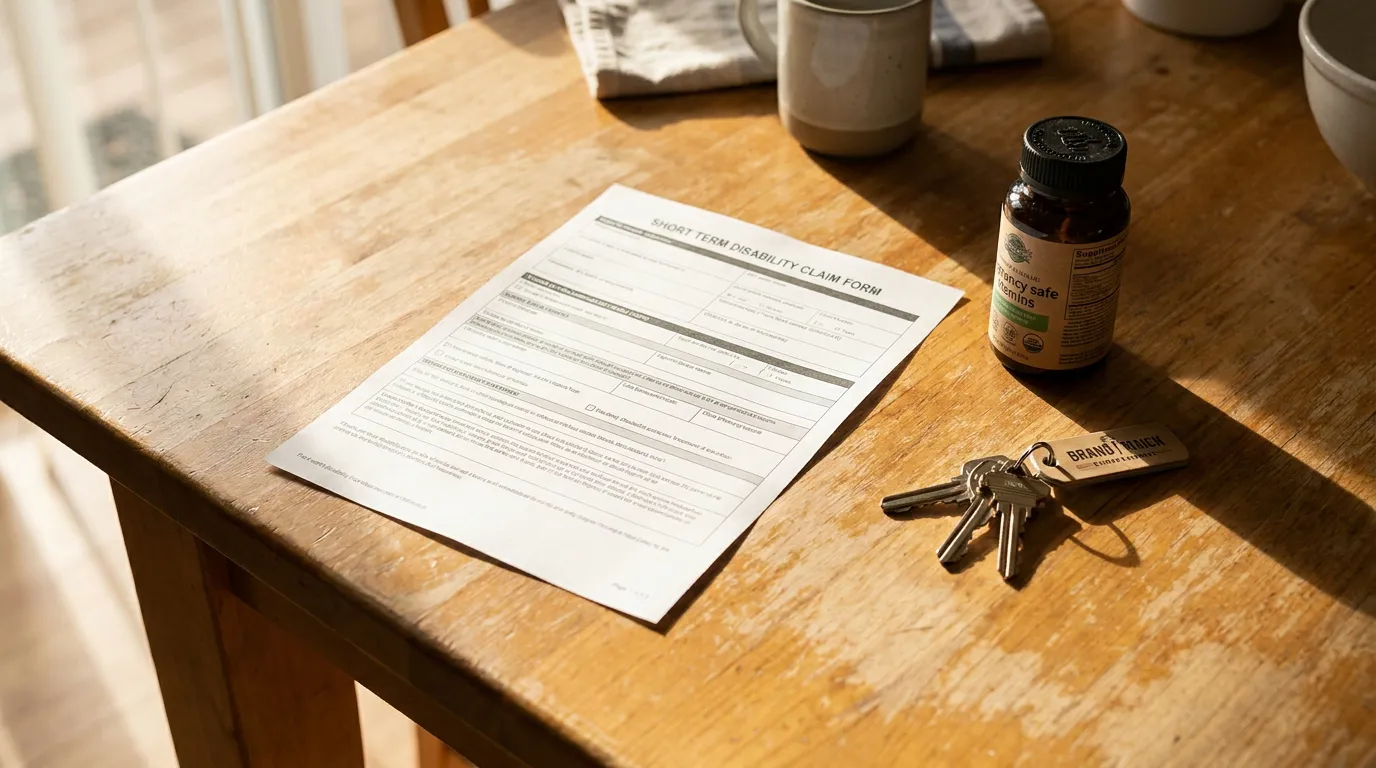
What Pregnancy Disability Leave Actually Covers
Pregnancy Disability Leave applies when an employee is actually disabled by pregnancy, childbirth, or a related medical condition, not simply because they are pregnant. This includes time off for prenatal or postnatal care, severe morning sickness, doctor-ordered bed rest, childbirth, recovery, pregnancy loss, or any related medical condition. Leave length depends on what a treating provider certifies, and may be taken intermittently or on a reduced schedule when medically advisable.
California law defines pregnancy-related disability broadly. Under FEHA regulations, an employee is "disabled by pregnancy" when their health care provider determines they cannot perform one or more essential job functions without undue risk to themselves, the pregnancy’s successful completion, or others (Cal. Code Regs., tit. 2, § 11035(f)). Job protection and wage replacement are separate matters.
PDL Basics: Who Qualifies
Eligibility for PDL is notably broad compared with other leave laws. An employee generally qualifies if they have a pregnancy-related disability and their employer has five or more employees, with no minimum length-of-service or hours requirement (Gov. Code § 12945; Cal. Code Regs., tit. 2, §§ 11035, 11037). Coverage applies only to the parent with the disability; a non-birthing parent would use other leave entitlements.
How Pregnancy Disability Leave 4 Months California Rules Interact With CFRA
The four months of PDL does not consume your bonding leave. An employee who is otherwise qualified is entitled to take, in addition to California Family Rights Act leave, the leave provided under Section 12945 (Gov. Code § 12945.2(p)). A Redondo Beach employee who meets CFRA’s eligibility rules could take pregnancy-related disability leave first and then up to 12 workweeks of CFRA bonding leave afterward. PDL generally runs concurrently with federal FMLA leave when the employer is covered and the employee is FMLA-eligible.
California accomplishes this by carving pregnancy out of the CFRA cap. CFRA leave excludes leave taken for disability on account of pregnancy, childbirth, or related medical conditions, so that disability period doesn’t count against the 12-workweek CFRA entitlement (Gov. Code § 12945.2). Employers sometimes miscount this, potentially leading to unlawful termination when an employee is told their leave is "exhausted" prematurely. You can review the FEHA leave provisions directly.
Bonding Leave Has Stricter Requirements
CFRA bonding leave is not automatic simply because PDL was approved. To qualify for bonding leave, an employee generally must have worked for the employer for more than 12 months, have at least 1,250 hours of service in the prior 12 months, and work for an employer with five or more employees (Gov. Code § 12945.2). Long-tenured employees typically satisfy these thresholds, but newer or part-time employees may qualify for PDL while not yet qualifying for bonding leave.
| Entitlement | Length | Key Eligibility |
|---|---|---|
| PDL (Gov. Code § 12945) | Up to 4 months per pregnancy | Pregnancy-related disability; employer with 5+ employees |
| CFRA bonding (Gov. Code § 12945.2) | Up to 12 workweeks | 12+ months employed; 1,250+ hours; employer with 5+ employees |
| FMLA (29 U.S.C. § 2611(2)) | Up to 12 workweeks | 12+ months employed; 1,250+ hours; 50+ employees within a 75-mile radius |
Pay, Benefits, and What Stays Protected
PDL itself is job protection, not a paycheck. PDL is unpaid unless another source of pay applies, and an employee may elect, or an employer may require, use of accrued sick leave, with vacation or PTO available by agreement or policy. Many employees pair unpaid protected leave with State Disability Insurance wage-replacement benefits.
Wage replacement duration follows medical facts, not the four-month figure. According to the state’s pregnancy disability benefits guidance, benefits usually last 10 to 12 weeks depending on pregnancy and delivery. For normal vaginal delivery without complications, benefits generally cover up to four weeks before delivery and up to six weeks after. Complications may extend that period, subject to medical certification.
Health Coverage During Leave
Group health coverage generally continues while you are out. During PDL, an employer maintaining a group health plan must continue coverage on the same terms as if the employee had kept working, for up to four months in a 12-month period (Gov. Code § 12945(a)(2)(A)). CFRA provides its own parallel obligation, capped at 12 workweeks (Gov. Code § 12945.2(e)(1)).
There is a limited premium-recovery rule with important protections. An employer may recover premiums it paid if the employee doesn’t return from leave, but only where the failure to return is for a reason other than the continuation, recurrence, or onset of a serious health condition or pregnancy-related condition, or other circumstances beyond the employee’s control (Gov. Code § 12945.2(e); Cal. Code Regs., tit. 2, § 11044).
💡 Pro Tip: Keep every leave-related text, email, and HR portal screenshot in a personal account, not a work account. Documentation is often what separates a provable claim from a disputed one.
Warning Signs That Leave Has Become Retaliation
Most unlawful pregnancy cases don’t begin with outright denial of leave. They begin with subtle shifts after the leave request: a sudden negative performance review, removal from key accounts, a quiet reassignment, or a "restructuring" announced days after a due date is disclosed.
Common documented red flags include:
- A first-ever written warning issued shortly after a leave request
- Emails questioning your "commitment" or availability after disclosure
- Being told your leave is exhausted before four months of PDL has run
- Job duties permanently reassigned while you are out
- Termination timed closely to a return-to-work date
Timing alone is not a legal conclusion, but it is evidence. Courts may consider temporal proximity, shifting employer explanations, and comparator treatment when evaluating whether an adverse action was pretextual. If your career changed course after you disclosed a pregnancy, it can help to consult a lawyer before signing any severance or release.
💡 Pro Tip: Request a written copy of your employer’s leave policy and any leave calculation they used. Employers that miscount PDL against CFRA often put that error in writing.
Practical Steps for Redondo Beach Employees
Employees generally strengthen their position by creating a clean paper trail early. Submit leave requests in writing, obtain medical certification consistent with your provider’s assessment, and confirm in writing what your employer has approved and for how long. FEHA claims generally require an administrative filing with the Civil Rights Department before suit.
Working with a firm that handles redondo beach employment lawyer matters can clarify how these overlapping statutes apply to your record. An attorney can assess employer size, service thresholds, certification issues, and the sequence of events in a way that a general policy summary cannot.
Frequently Asked Questions
1. Does the four months of PDL run at the same time as bonding leave?
Generally no. Pregnancy-related disability leave is not counted against the 12-workweek CFRA entitlement, so bonding leave typically begins after the disability period ends. PDL can run concurrently with federal FMLA leave.
2. Do I need a year of service to qualify for PDL?
No. PDL has no minimum length-of-service or hours requirement, unlike CFRA bonding leave, which requires more than 12 months of employment and 1,250 hours of service.
3. Will I receive four months of pay?
Not necessarily. PDL is unpaid unless accrued paid leave applies, and State Disability Insurance benefits typically last about 10 to 12 weeks.
4. Can my employer make me repay health premiums if I do not return?
Only in limited circumstances. Recovery is not permitted where failure to return results from a continuing serious health condition, a pregnancy-related condition, or circumstances beyond the employee’s control.
5. Does PDL cover my spouse or partner?
PDL applies only to the parent with the pregnancy-related disability. The other parent would generally look to CFRA bonding leave or FMLA instead, if separately eligible.
Protecting a Career You Spent Years Building
California’s four-month pregnancy disability entitlement ensures employees don’t choose between health and jobs. When paired correctly with CFRA bonding leave, continued group health coverage, and state wage-replacement benefits, eligible employees may be protected for a substantial period. Problems arise when employers miscalculate leave, treat medical certification as an inconvenience, or end a long career shortly after a leave request.
If that describes your experience, Kent | Pincin is available to review your documentation and explain your options under California law. Call (310) 424-4991 or schedule a consultation now to get started.