
What Is the 3-Year Filing Deadline for Harassment Claims in California?
Why Timing Can Make or Break a California Harassment Claim
Key Takeaways: In California, the 3-year filing deadline for harassment claims is the window you generally have to submit an administrative intake form to the California Civil Rights Department (CRD) before pursuing a civil lawsuit. For employment harassment claims under the Fair Employment and Housing Act (FEHA), this period runs three years from the last harmful act, while housing-related claims carry a shorter one-year window. Employees, applicants, interns, volunteers, and contractors may file. The CRD administrative complaint is required before going to court. Once you receive a right-to-sue notice, a second clock begins, giving you roughly one year to file in superior court. Limited tolling exceptions exist but are narrowly interpreted, so missing a deadline can permanently bar your claim. Because these overlapping deadlines turn on specific facts, acting promptly and consulting counsel early offers the best protection.
The 3-year filing deadline for harassment claims in California refers to the window you generally have to file an administrative complaint with the California Civil Rights Department (CRD) before pursuing a civil lawsuit. Under current law, employees, applicants, and certain workers have three years from the last harmful act to begin the CRD complaint process. You must submit an intake form to CRD within three years; missing that window can permanently bar your claim, which is why understanding the timeline matters for workers in Redondo Beach and across California.
If you believe you have experienced workplace harassment, the team at Kent | Pincin is ready to help. Call our office at (310) 424-4991 or reach out through our online contact form to discuss your situation.
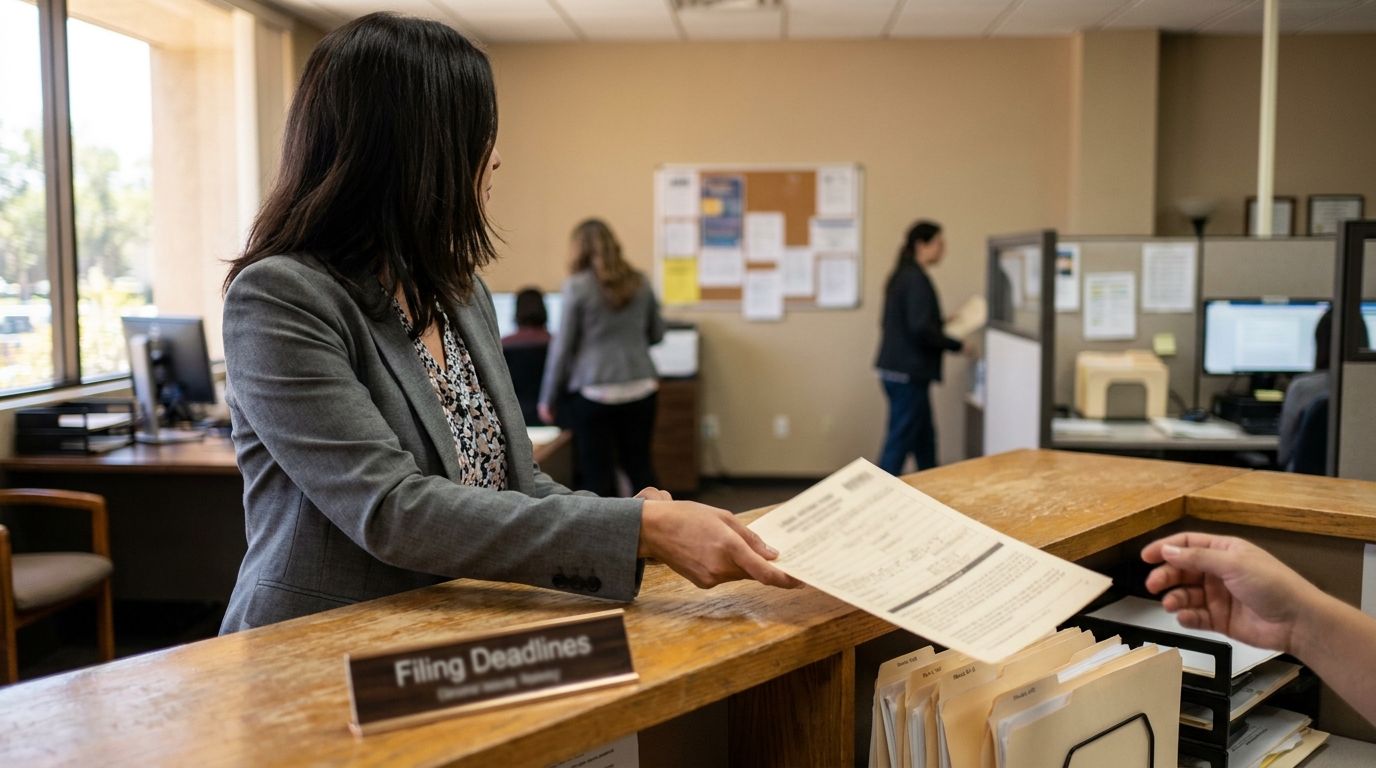
How the California Workplace Harassment Claim Filing Deadline Statute of Limitations Works
The default rule for employment harassment is a three-year administrative filing period. California law generally requires that a complaint of employment discrimination must be filed within three years from the date an alleged discriminatory act occurred. This deadline applies to harassment claims brought under the Fair Employment and Housing Act (FEHA), which is the core statute enforced by the CRD. FEHA applies to public and private employers, labor organizations, and employment agencies, giving the law broad reach across California workplaces.
Not every harassment claim falls under the three-year rule, though. The longer period applies to employment cases, while other categories follow a tighter schedule. Housing-related harassment claims generally carry a one-year filing period rather than three years. Knowing which category your claim falls into is important, because the harassment claim time limit in California is not one-size-fits-all.
💡 Pro Tip: Write down the date of each harassing incident as it happens. Because the deadline often runs from the "last harmful act," a clear, contemporaneous record can help establish when your filing window began.
Who Can File and Where the Process Begins
A wide range of workers may pursue a harassment complaint, not just full-time employees. Under CRD guidance, an employee, job applicant, unpaid intern, volunteer, or contractor may file a complaint of harassment. Whether you experienced harassment during hiring or after years on the job, you may have standing to file.
The administrative complaint with the CRD is a separate step from any court lawsuit. You must file a complaint with CRD even if you wish to file a case directly in court. The CRD process and a civil lawsuit are not the same thing, and the administrative filing is generally a prerequisite to going to court for FEHA claims. Because exhausting this administrative remedy is treated as jurisdictional, a court will generally dismiss a FEHA claim filed without first obtaining a right-to-sue notice. You can learn more through the CRD’s guide on how to file a complaint.
The Right-to-Sue Notice and Your Path to Court
A right-to-sue notice from the CRD is what authorizes you to file a civil lawsuit in superior court. You are not required to use the agency’s investigation process. As the CRD explains, you do not have to use the CRD investigation process, you can file your own lawsuit. However, in employment cases, you must obtain an immediate Right-to-Sue notice from CRD before filing in court. If you wish to go to court, you can request an immediate right-to-sue notice when you file your complaint.
California’s harassment statute also sets out what happens when the agency does not pursue your case. Under California Government Code § 12965, if the CRD does not bring a civil action within 150 days of your complaint, or earlier decides not to, it must notify you that a right-to-sue notice will issue on request. That notice authorizes you to bring your own civil action, and once issued, claimants generally have one year to file the lawsuit. The statute confirms that the superior courts have jurisdiction over these actions, and a case may be brought in the county where the violation occurred. For Redondo Beach workers, that generally means Los Angeles County Superior Court.
💡 Pro Tip: The three-year CRD deadline and the one-year post-notice deadline are two different clocks. Calendar both carefully, because completing the first step does not pause the second.
Two Deadlines That Often Get Confused
Keeping the administrative deadline and the lawsuit deadline straight can protect your rights. Here is a simplified comparison of how these timelines generally work for employment harassment claims under FEHA:
| Step | General Deadline | Authority |
|---|---|---|
| File intake/complaint with CRD | 3 years from last harmful act | Gov. Code § 12960 |
| Receive right-to-sue notice | After filing or within 150 days | Gov. Code § 12965(c) |
| File civil lawsuit in court | Generally 1 year from notice | Gov. Code § 12965 |
These deadlines are subject to exceptions, and courts interpret extensions narrowly. Some statutory and judicial provisions allow filing periods to pause, or "toll," under limited circumstances. For example, the continuing violation doctrine can preserve older incidents forming part of an ongoing pattern, and the one-year court-filing period may be tolled when a charge is also filed with the EEOC and deferred under Government Code § 12965(e). California law recognizes tolling in certain situations, but such doctrines do not apply automatically, and you should not assume an exception extends your deadline without legal review.
Practical Steps to Protect a Redondo Beach Harassment Claim
Acting early gives you the strongest position to preserve evidence and meet every deadline. Harassment claims often depend on documentation, witness accounts, and a clear timeline. Consider these steps as soon as you recognize a potential claim:
- Save emails, texts, performance reviews, and any written complaints you submitted to supervisors or HR.
- Note the names of coworkers who witnessed the conduct or experienced similar treatment.
- Record dates, locations, and descriptions of each incident while details are fresh.
- Keep copies of company policies on harassment and reporting procedures.
Documentation supports the core elements FEHA harassment claims must establish. To prevail, a claimant generally must show the conduct was unwelcome, was tied to a protected characteristic, and was severe or pervasive enough to create a hostile work environment. Where the harasser is a non-supervisor, the claimant must also show the employer knew or should have known of the conduct and failed to take corrective action, while harassment by a supervisor can give rise to direct employer liability. Thorough records can make a meaningful difference. For more on these timelines, see our article on California’s 3-year limit for filing harassment claims.
💡 Pro Tip: Report harassment in writing whenever possible. A dated written complaint to HR creates a record showing the employer was on notice and had a chance to respond.
When Working With Counsel May Help
Statutes of limitation are unforgiving, and small timing errors can have large consequences. Because the FEHA harassment filing period involves overlapping administrative and civil deadlines, many workers find it helpful to consult counsel early. An attorney can confirm which deadline applies, evaluate whether any exception may be relevant, and prepare the necessary filings. Guidance from a California workplace harassment lawyer can be especially valuable when a claim involves both harassment and possible retaliation.
Every situation is fact-dependent, and nothing here is a substitute for individualized advice. The general rules described above can change based on your worker classification, the type of claim, and procedural timing. A Redondo Beach employment attorney can help you understand how the harassment statute of limitations applies to your particular circumstances.
Frequently Asked Questions
-
How long do I have to file a harassment complaint in California?
In employment cases, you generally have three years from the last harmful act to submit an intake form to the CRD and have a verified complaint filed. This is the California CRD complaint deadline for most workplace harassment claims. -
Do I have to file with the CRD before going to court?
Generally, yes. For FEHA employment claims, you must file an administrative complaint and obtain a right-to-sue notice before filing a civil lawsuit. -
What is a right-to-sue notice?
It is the document from the CRD that authorizes you to bring a civil action in superior court. You can request one immediately when you file, or the agency may issue one if it does not pursue your case. -
Can the filing deadline ever be extended?
In limited circumstances, certain tolling provisions or doctrines, such as the continuing violation doctrine, may pause a deadline, but courts apply these exceptions narrowly. Do not assume any extension applies without confirming the specific legal basis. -
Where would a Redondo Beach worker file a harassment lawsuit?
A civil action generally may be filed in the county where the violation occurred. For most Redondo Beach workers, that means Los Angeles County Superior Court.
Protecting Your Rights Before the Clock Runs Out
Understanding the three-year deadline is the foundation of any successful California harassment claim. The employment filing period with the CRD generally runs three years from the last harmful act, the administrative process is distinct from a civil lawsuit, and a right-to-sue notice triggers a separate, shorter window to file in court. Exceptions such as tolling exist but apply only under certain conditions and are read narrowly. Because the california workplace harassment claim filing deadline statute of limitations can turn on subtle facts, acting promptly is one of the best ways to protect your options.
If harassment has affected your workplace, do not wait until your filing window closes. Contact Kent | Pincin today by calling (310) 424-4991 or by submitting our secure case review request to discuss how the filing deadlines may apply to your situation.