
Appeals Court Questions Kenison Limit on Wisconsin Direct Action Claims
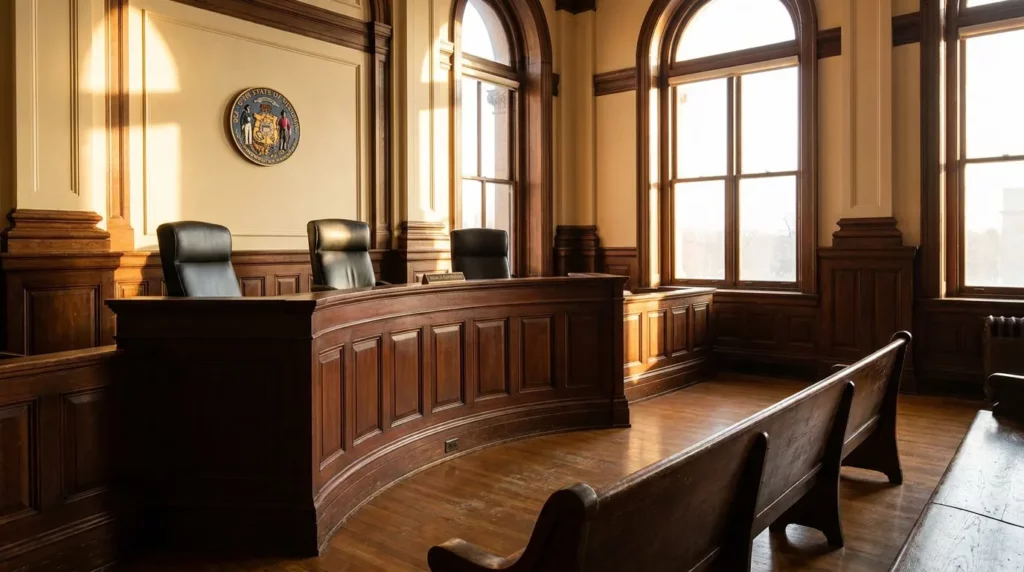
Wisconsin Direct Action Statute 803.04 Faces a Pivotal Test on Appeal Key Takeaways: A Wisconsin appellate court has certified a major question about the wisconsin direct action statute 803.04 and its interaction with Wis. Stat. § 632.24 to the state Supreme Court. The dispute stems from Finder v. American Heartland Insurance Company, where the court…
Read MoreWhat a Tow-Away or Airbag Deployment Triggers in Federal AV Crash Reporting
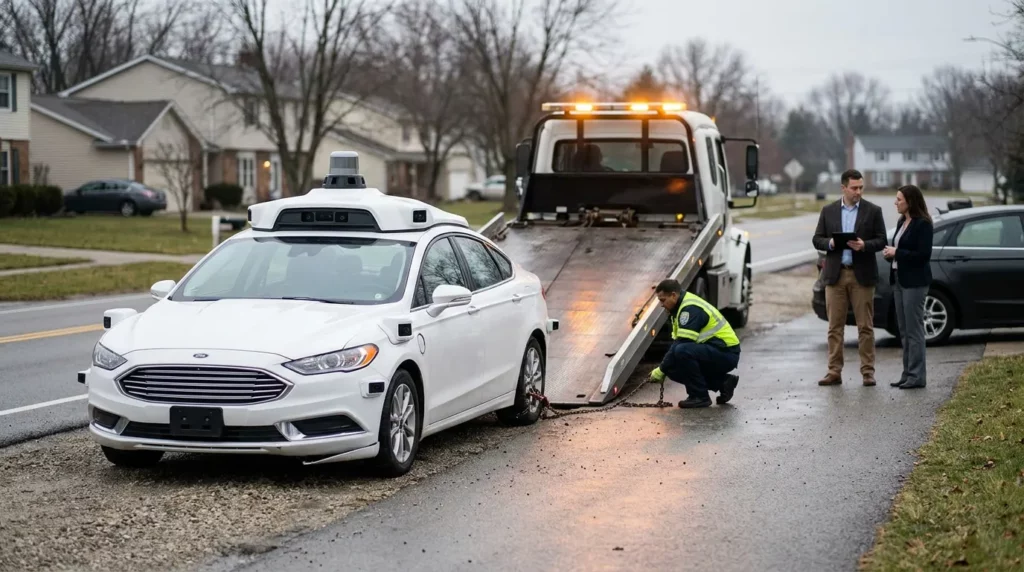
How a Single Tow Truck Call Can Put Your Crash on a Federal Radar Key Takeaways: Under NHTSA’s Standing General Order, a tow-away or airbag deployment in a crash involving an automated driving system or Level 2 driver-assist vehicle can obligate the manufacturer or operator to notify federal regulators within five days of receiving notice…
Read MoreCan You Sue an Insurance Company Directly After a Madison Car Accident?

Naming the Insurance Company as a Defendant in a Wisconsin Crash Case Key Takeaways: Wisconsin allows you to sue an insurance company directly after a Madison car accident. Wis. Stat. § 632.24 makes liability insurers directly liable to injured people up to policy limits, even before the at-fault driver’s liability is formally established, and Wis.…
Read MoreWhat Is CACI 2620 and How Does It Prove CFRA Retaliation in California?

The Jury Instruction That Decides Family Leave Retaliation Cases in California Key Takeaways: CACI No. 2620 instructs California jurors on what employees must prove to win a California Family Rights Act retaliation claim: eligibility for leave, protected activity, an adverse employment action, a substantial motivating reason, harm, and causation. The right stems from Government Code…
Read MoreCan Your Auto Insurer Demand Med Pay Money Back in Nebraska?

When Your Own Insurance Company Asks for Its Money Back After a Crash Key Takeaways: A Nebraska auto insurer can seek repayment of medical payments (MedPay) benefits from a third-party injury settlement. Neb. Rev. Stat. § 44-3,128.01 makes MedPay subrogation provisions valid and enforceable. However, this right depends on policy language, how the statute’s proportional-reduction…
Read MoreHow an Attorney Uses the 90-Day Retaliation Presumption in 2026 Cases

Why the CFRA Retaliation Government Code 12945.2 Presumption Is Reshaping 2026 Employment Cases Key Takeaways: California’s SB 497 created a rebuttable presumption that an employer retaliated when an adverse action follows protected activity within 90 days. This shifts the burden onto the employer to justify its decision with a legitimate, non-retaliatory reason. Retaliation is defined…
Read MoreWhy California Gives You 5 Business Days to Review a Severance Agreement

The Paperwork That Arrives With Your Last Day Key Takeaways: California gives departing employees time before they sign away legal claims: under Cal. Gov. Code § 12964.5(b)(4), employers offering separation agreements must notify employees of their right to consult an attorney and provide at least five business days to do so, though employees may knowingly…
Read MoreHow Element 4 of CACI 2620 Shapes a Redondo Beach Retaliation Case

Why the Causation Question Decides Most Medical Leave Retaliation Claims Key Takeaways: Most California Family Rights Act retaliation cases hinge on Element 4 of CACI 2620, which asks whether protected leave was a substantial motivating reason for the adverse action. An employee need not prove leave was the sole cause, but a trivial influence is…
Read MoreHow Nebraska Drivers Try to Use a Sudden Emergency Defense After a Crash

When the Other Driver Says a Crash "Just Happened" to Them Key Takeaways: Nebraska drivers often blame a deer, phantom vehicle, or mechanical failure for a crash, but the state’s sudden emergency doctrine is narrow. Under Caves v. Barnes, a driver must prove a real emergency existed, that they did not cause it, and that…
Read MoreJuly 18 Fort Winnebago Fatal Crash Raises Wisconsin Wrongful Death Questions

How Wisconsin Direct Action Statute 632.24 Could Shape A Fort Winnebago Crash Claim Key Takeaways: A fatal collision reported near Fort Winnebago in Columbia County has renewed attention on how Wisconsin law treats wrongful death, fault, and insurance. Wisconsin follows a modified comparative negligence rule that can reduce or bar recovery based on a claimant’s…
Read More